
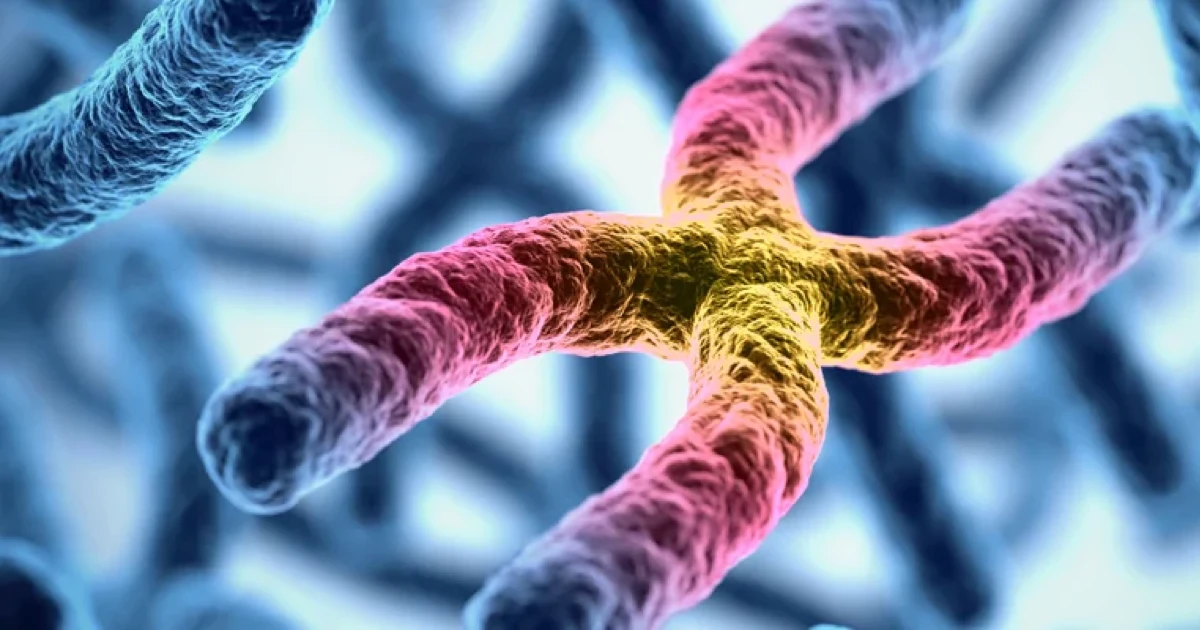
NGS comprehensive chromosome screening is one of the advanced genetic testing methods used in IVF treatment to evaluate embryos chromosomally before they are transferred into the uterus. This procedure is performed within the scope of Preimplantation Genetic Testing, or PGT.
The aim of PGT is to evaluate the genetic or chromosomal structure of embryos and to help select the embryo that is more suitable for transfer. This method may be considered especially in couples with advanced maternal age, recurrent IVF failure, recurrent miscarriages, or a risk of genetic disease.
NGS, or next-generation sequencing technology, has gained an important place in comprehensive chromosome screening today because it can evaluate the chromosomal structure of embryos more precisely.
What Is PGT?
PGT is the genetic or chromosomal examination of embryos before they are placed into the mother’s uterus. In IVF treatment, genetic analysis can be performed by taking a biopsy from embryos at certain developmental stages.
Embryo biopsy can be performed at different developmental stages. Examination may be carried out by taking a polar body from the oocyte, a blastomere from a cleavage-stage embryo, or trophectoderm cells from blastocysts that have reached the fifth day.
Today, trophectoderm cells taken from embryos at the blastocyst stage are generally evaluated. After the genetic analysis of these cells, the transfer of embryos considered chromosomally suitable can be planned.
What Is NGS?
NGS is the abbreviation for “Next Generation Sequencing.” This method allows DNA fragments to be analyzed using advanced technology.
In the NGS method, DNA from the sample taken from the embryo is amplified, then divided into millions of fragments, and sequencing information is read. As a result of these readings, the number of chromosomes in the embryo and certain chromosomal abnormalities can be evaluated.
NGS technology may offer more sensitive analysis compared with older methods. It may provide a stronger evaluation, especially in detecting low-level mosaicism.
What Is Comprehensive Chromosome Screening?
Comprehensive chromosome screening is a test that aims to numerically evaluate all chromosomes in the embryo. With this screening, it can be examined whether the embryo has missing or extra chromosomes.
Chromosomally abnormal embryos may fail to implant in the uterus, may result in miscarriage even if pregnancy occurs, or may lead to chromosomal diseases. Therefore, comprehensive chromosome screening may provide important information to the physician and embryology team in selecting the embryo to be transferred.
This test does not guarantee pregnancy. However, by making embryo selection more informed, it may help prevent unnecessary embryo transfers.
Who May Be Recommended NGS Comprehensive Chromosome Screening?
NGS comprehensive chromosome screening is not a mandatory procedure for every IVF patient. However, some patient groups may require a more detailed embryo evaluation.
NGS comprehensive chromosome screening may be recommended in the following situations:
- Advanced maternal age, especially 38 years and older
- Recurrent IVF failure
- Recurrent pregnancy loss
- Risk of chromosomal abnormality
- Previous pregnancy history with chromosomal anomaly
- Desire for a more detailed embryo selection before transfer
- Couples who are carriers of genetic diseases
- Need for additional evaluation for healthy embryo selection
Especially in advanced maternal age, egg quality and the rate of chromosomally normal embryos may decrease. Therefore, in women aged 38 and older, the risk of failure to achieve pregnancy or miscarriage due to chromosomal abnormalities may become more prominent.
How Is the NGS Method Applied?
NGS comprehensive chromosome screening is a laboratory procedure that progresses together with the IVF process. First, eggs are collected, fertilized with sperm, and the embryos are monitored in the laboratory environment.
When the embryos reach the blastocyst stage, a biopsy is taken from embryos considered suitable. The collected cell sample is sent to the laboratory for genetic examination. The embryos are usually frozen and stored using the vitrification method.
After the genetic analysis results are available, transfer planning is made among the embryos considered chromosomally suitable. When the uterus is prepared, the frozen embryo is thawed and the transfer is performed.
What Are the Advantages of the NGS Method?
NGS technology provides the opportunity to evaluate the chromosomal structure of embryos in more detail. Therefore, it is used as one of the important methods supporting embryo selection in IVF treatment.
The main advantages of the NGS method include:
- It helps evaluate all chromosomes comprehensively.
- It supports the selection of chromosomally suitable embryos.
- It may reduce unnecessary embryo transfers.
- It may help reduce the risk of multiple pregnancy by supporting single embryo transfer.
- It may contribute to reducing the risk of miscarriage.
- It may provide more detailed information about mosaic embryos.
- It may help the treatment process proceed in a more planned manner.
However, transferring an embryo with a normal NGS result does not mean definite pregnancy. Uterine structure, embryo quality, immune factors, hormonal balance, and many other factors may affect the pregnancy outcome.
What Is a Mosaic Embryo?
A mosaic embryo is an embryo that contains two or more cell groups with different chromosomal structures. In other words, while some cells of the embryo appear chromosomally normal, some cells may have chromosomal differences.
The chance of mosaic embryos implanting in the uterus and resulting in a healthy pregnancy may be lower compared with chromosomally normal embryos. In addition, risk assessment may be required for genetic abnormalities or adverse pregnancy outcomes in some mosaic embryos.
NGS technology is considered more sensitive in detecting low-level mosaicism. Therefore, it may help provide couples with more realistic information about the condition of the embryos.
What Is CCS?
CCS, or comprehensive chromosome screening, is a screening approach that allows general evaluation of the chromosomes in embryos. The aim is to help identify the embryo that is more chromosomally suitable for transfer.
With CCS, instead of transferring many embryos, the transfer of a selected embryo can be planned. This may contribute to reducing the risk of multiple pregnancy.
In addition, avoiding the transfer of chromosomally unsuitable embryos may reduce unnecessary treatment processes and the psychological burden related to expectations. In this respect, CCS is not only a laboratory result but also an important part of treatment planning.
What Is the a-CGH Method?
a-CGH, or Array Comparative Genomic Hybridization, is one of the older genetic screening methods that allows examination of all chromosomes in embryos. It represented an important development compared with earlier methods that could evaluate only a limited number of chromosomes.
With the a-CGH method, all chromosomes can be analyzed comparatively. However, this method has certain limitations. The longer process and lower sensitivity in detecting mosaicism compared with NGS are considered among its important disadvantages.
Since results must be awaited after biopsy, embryos are often frozen using the vitrification method. Later, suitable embryo transfer is planned according to the results.
What Is the Difference Between NGS and a-CGH?
NGS and a-CGH are methods used to evaluate chromosomes in embryos. However, their working principles and sensitivities are different.
The a-CGH method detects chromosomal differences by comparing embryo DNA with reference DNA samples. NGS, on the other hand, provides more detailed data by directly reading DNA sequences.
The main differences of NGS compared with a-CGH include:
- It may provide more sensitive analysis.
- It can detect mosaicism rates at lower levels.
- It may provide a more detailed chromosomal evaluation per embryo.
- It may help provide more realistic counseling about the chance of pregnancy.
For this reason, NGS technology is now preferred more frequently for comprehensive chromosome screening in many centers.
What Is the FISH Method?
FISH, or Fluorescence In Situ Hybridization, was widely used in the past to evaluate numerical and structural chromosomal abnormalities in embryos.
In this method, fluorescent markers are attached to chromosomes in embryo cells. These signals are then examined under a microscope to obtain information about chromosome numbers.
With the FISH method, specific chromosomes can be examined. In the past, panels aimed at detecting chromosomal anomalies frequently seen in miscarriages were used. However, the most important disadvantage of this method is that only a limited number of chromosomes can be evaluated.
In addition, there may be a possibility of error in interpreting the signals. Therefore, today FISH may generally be considered in special situations where methods such as NGS or a-CGH are not suitable, or in some couples who are translocation carriers.
PGT in Couples with a Risk of Genetic Disease
Some couples may have a high risk of passing a genetic disease to their children. In this case, prenatal diagnostic methods may be used after pregnancy occurs. However, this approach may bring difficult decisions such as termination of pregnancy for some couples.
PGT may be an important option for these couples because it allows embryos to be evaluated before transfer. In this way, the selection of genetically suitable embryos is targeted.
In couples at risk for single-gene diseases or chromosomal disorders, PGT planning should be performed together with genetic counseling.
Does NGS Increase the Chance of Pregnancy?
NGS comprehensive chromosome screening may support the chance of pregnancy by helping select a chromosomally suitable embryo. However, this method alone does not guarantee pregnancy.
Factors affecting the chance of pregnancy include:
- The woman’s age
- Egg quality
- Sperm quality
- Embryo developmental quality
- The condition of the uterine lining
- Previous pregnancy and miscarriage history
- Genetic factors
- Laboratory conditions
- Timing of transfer and uterine preparation
NGS contributes especially to the chromosomal evaluation of the embryo among these factors. Other clinical factors also remain decisive in treatment success.
What Should Be Known About NGS Comprehensive Chromosome Screening?
NGS comprehensive chromosome screening is an advanced genetic examination method that supports embryo selection in IVF treatment. It may provide important information especially in couples with advanced maternal age, recurrent miscarriage, recurrent IVF failure, or a risk of genetic disease.
The purpose of this test is to evaluate embryos chromosomally before transfer and to make the treatment plan more informed. However, the test result is not always the sole determining factor. Embryo quality, clinical history, uterine condition, and the couple’s expectations should be evaluated together.
The decision for NGS should always be made together with an IVF specialist, embryologist, and, when necessary, genetic counseling.
Frequently Asked Questions
What is NGS comprehensive chromosome screening?
NGS comprehensive chromosome screening is a genetic examination method that allows embryos to be evaluated chromosomally before transfer in IVF treatment.
Are PGT and NGS the same thing?
PGT is the general term referring to the genetic examination of embryos before transfer. NGS is one of the advanced genetic analysis methods that can be used in this examination.
Who is NGS recommended for?
It may be recommended for couples with advanced maternal age, recurrent IVF failure, recurrent miscarriage, risk of chromosomal abnormality, or genetic disease carrier status.
What does mosaic embryo mean?
A mosaic embryo is an embryo that contains cell groups with different chromosomal structures. This condition may affect the embryo’s implantation and pregnancy potential.
Does NGS guarantee pregnancy?
No. NGS supports the selection of a chromosomally suitable embryo; however, it does not guarantee pregnancy. Success depends on many clinical and biological factors.