
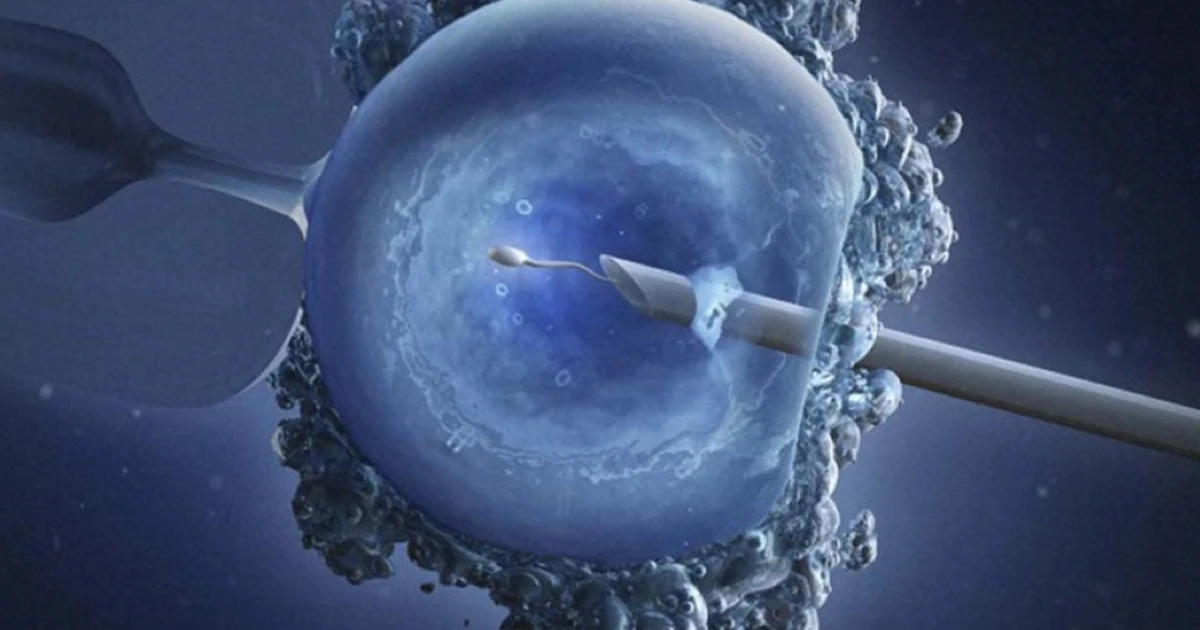
Oncofertility Treatment
Oncofertility is a medical field that includes practices aimed at preserving the fertility potential of individuals diagnosed with cancer before or during the treatment process. This field brings together oncology and reproductive health specialties.
Chemotherapy, radiotherapy, and certain surgical procedures used in cancer treatment may affect reproductive functions in both women and men. Therefore, especially in patients who plan to have children, it is important to evaluate fertility preservation options before treatment begins.
Oncofertility treatment offers a holistic approach that considers not only the treatment of the current disease but also the person’s possibility of having children in the future.
What Is Oncofertility?
Oncofertility is a medical field that aims to preserve the reproductive potential of cancer patients and individuals who have completed cancer treatment. In this process, oncology specialists and reproductive endocrinology and IVF specialists may evaluate the patient together.
Cancer treatments are life-saving. However, some treatments may have negative effects on the ovaries, testicles, uterus, or reproductive hormones. These effects may be temporary or permanent.
For this reason, oncofertility seeks a medical and personalized answer to the question: “How can the possibility of having children in the future be preserved?” before cancer treatment begins.
How Can Cancer Treatments Affect Fertility?
The effect of cancer treatment on fertility varies depending on the person’s age, type of cancer, treatment protocol to be applied, medication doses, radiotherapy area, and the extent of the surgical procedure.
Some treatments may reduce egg or sperm production. Others may cause permanent damage to the reproductive organs. Therefore, risk assessment should be performed before treatment begins.
Effects of Cancer Treatment on Fertility in Women
In women, chemotherapy, radiotherapy, or certain surgical procedures may affect ovarian reserve. Ovarian reserve refers to the egg capacity a woman has. When this reserve decreases, the chance of pregnancy may also decrease.
Cancer treatments may cause the following problems in women:
- Decrease in ovarian reserve
- Ovarian failure
- Early menopause
- Deterioration in egg quality
- Risk of genetically damaged oocytes
- Menstrual irregularities
- Difficulty achieving pregnancy
For example, radiotherapy applied to the pelvic region may affect the ovaries and uterus. Similarly, some chemotherapy drugs may cause damage to ovarian tissue. Therefore, fertility preservation options should be evaluated without delay before treatment in female patients.
Effects of Cancer Treatment on Fertility in Men
Cancer treatments may also affect sperm production and hormonal balance in men. Chemotherapy, radiotherapy, or surgical procedures that affect testicular tissue in particular may lead to a decrease in sperm production.
The following conditions may occur in men due to cancer treatment:
- Decrease in sperm count
- Deterioration in sperm motility
- Cessation of sperm production
- Decrease in testosterone production
- Permanent or temporary infertility
- Problems related to sexual function
Therefore, options such as sperm freezing should also be evaluated in male patients before treatment. Sperm freezing is an important fertility preservation method that can be applied quickly for many patients.
Who Is Oncofertility Important For?
Oncofertility is important for women, men, and in some cases pediatric patients who are diagnosed with cancer and wish to have children in the future. Anyone with a fertility risk before treatment should be evaluated from this perspective.
Oncofertility evaluation may be recommended for:
- People who will receive chemotherapy treatment
- Patients who will receive radiotherapy to the pelvic region
- People who will undergo surgery affecting the ovaries, testicles, uterus, or reproductive organs
- Patients who plan to have children after cancer treatment
- Women and men diagnosed with cancer at a young age
- Patients of reproductive age who wish to preserve their fertility potential
- Pediatric cancer patients who may carry a fertility risk in the future
The most appropriate approach in this process is to consult a reproductive health specialist before oncology treatment begins.
Why Is Timing Important in Oncofertility Treatment?
Timing is critically important in oncofertility treatment. This is because some fertility preservation methods must be performed before cancer treatment begins.
After chemotherapy or pelvic radiotherapy starts, egg and sperm cells may be affected. Therefore, consultation with a reproductive endocrinology or IVF specialist should be arranged as early as possible.
The ideal approach is to evaluate fertility preservation options immediately after a cancer diagnosis and before chemotherapy or radiotherapy begins.
Fertility Preservation Options in Women
Oncofertility planning in women is personalized. The patient’s age, ovarian reserve, type of cancer, time available before starting treatment, and general health status are evaluated together.
Fertility preservation options in women may include:
- Egg freezing
- Embryo freezing
- Ovarian tissue freezing
- Moving the ovaries away from the radiotherapy field
- Approaches aimed at protecting ovarian function during treatment
Egg freezing may be considered especially in women who do not have a spouse or partner. Embryo freezing involves fertilizing eggs with sperm, creating embryos, and storing them.
Which method is appropriate should be determined according to the patient’s medical condition and treatment schedule.
Fertility Preservation Options in Men
The most commonly used fertility preservation method in men is sperm freezing. A sperm sample taken before treatment begins can be frozen under special laboratory conditions and stored for future use.
Fertility preservation options in men include:
- Sperm freezing
- Surgical sperm retrieval when necessary
- Testicular tissue preservation approaches
- Evaluation of sperm production after treatment
Sperm freezing is usually a method that can be planned quickly. Therefore, it is important to evaluate it without delay before cancer treatment begins.
Oncofertility in Children and Young Patients
With increasing success rates in childhood cancer treatment, quality of life after treatment and future fertility have become more important. In pediatric patients, fertility preservation planning varies according to age, pubertal status, type of cancer, and treatment protocol.
In this process, the family, pediatric oncology team, and reproductive health specialists should make decisions together. Not every method may be suitable for every child. Therefore, options should be evaluated carefully and with an ethically sensitive approach.
Does Oncofertility Treatment Guarantee Pregnancy?
Oncofertility practices may help preserve the possibility of having children in the future; however, they do not provide a definite pregnancy guarantee. The chance of success depends on the person’s age, fertility status before treatment, the quality of stored eggs, sperm, or embryos, and the assisted reproductive treatments to be applied in the future.
Therefore, expectations should be discussed realistically before the process begins. Oncofertility is not a guarantee; it is an important medical planning process aimed at preserving future fertility potential.
Which Specialists Work Together in the Oncofertility Process?
The oncofertility process should be carried out with a multidisciplinary approach. This is because avoiding delays in cancer treatment, safely planning fertility preservation procedures, and protecting the patient’s general health must be evaluated together.
The following specialists may be involved in this process:
- Oncology specialist
- Gynecology and obstetrics specialist
- Reproductive endocrinology and IVF specialist
- Urology specialist
- Embryologist
- Genetic counselor
- Psychological support specialist
Communication between specialists is especially important when the treatment plan needs to progress quickly.
How Should the Oncofertility Decision Be Made?
The decision regarding oncofertility should be made by considering the urgency of cancer treatment and the feasibility of fertility preservation options. Each patient’s situation is different. Therefore, personalized planning should be made instead of using a standard approach.
The following questions are important in the decision-making process:
- When will cancer treatment begin?
- How much may the treatment affect fertility?
- Does the patient want to have children in the future?
- Is there enough time for an applicable fertility preservation method?
- What are the patient’s age and current reproductive capacity?
- Will the selected method delay cancer treatment?
As a result of this evaluation, the most appropriate and safest path for the patient can be determined.
What Should Be Known About Oncofertility?
Oncofertility is an important field aimed at preserving the possibility of having children in the future for individuals who will undergo cancer treatment. With the development of cancer treatments and increasing survival rates, life planning after treatment has also become more important.
Therefore, women and men of reproductive age who are diagnosed with cancer should be informed about fertility preservation options before treatment begins. An early evaluation may make an important difference in terms of the possibility of having children in the future.
Frequently Asked Questions
What is oncofertility?
Oncofertility is a field that includes medical evaluation and practices aimed at preserving fertility in cancer patients before or during treatment.
Does cancer treatment affect fertility?
Yes. Chemotherapy, radiotherapy, and some surgical procedures may affect ovarian reserve in women and sperm production in men.
When should a doctor be consulted for oncofertility?
The most appropriate time is after a cancer diagnosis and before chemotherapy or pelvic radiotherapy begins.
How can fertility be preserved in women?
Methods such as egg freezing, embryo freezing, and in certain special cases ovarian tissue freezing may be evaluated.
How can fertility be preserved in men?
The most commonly used method in men is sperm freezing. A sperm sample can be collected before treatment begins and stored for future use.