
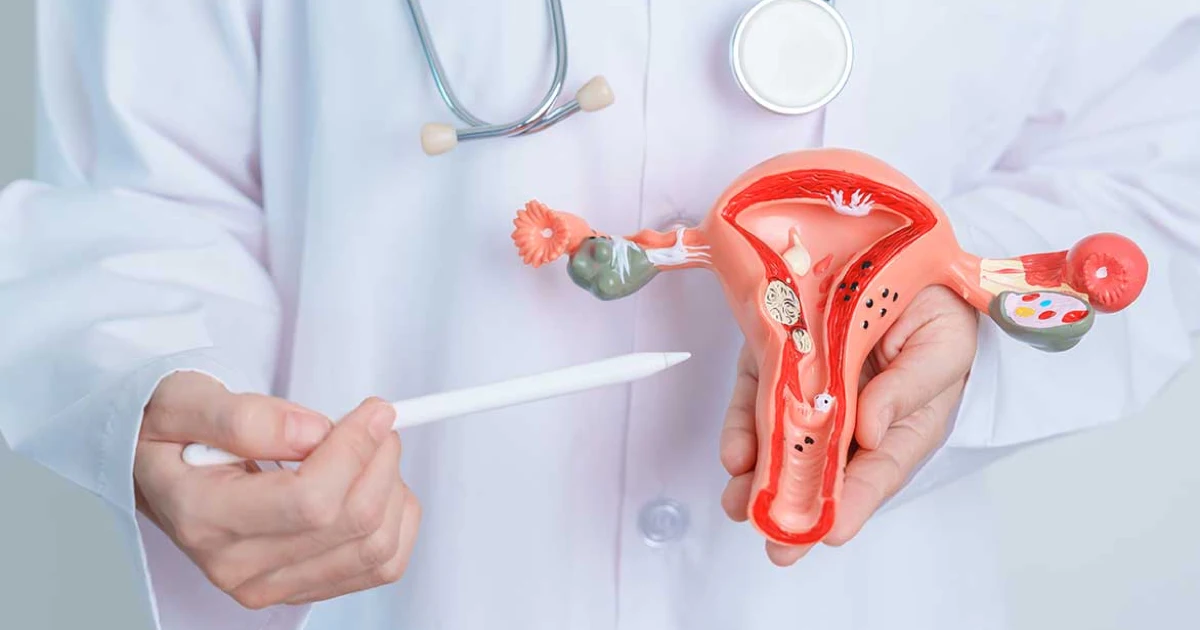
Cervical biopsy is the process of taking a tissue sample from the cervix, also known as the neck of the uterus. This procedure is performed to evaluate abnormal cells, precancerous changes, or cervical cancer detected in the cervix.
The cervix is the lower and narrow part of the uterus. It functions as a canal opening into the vagina. If abnormal findings are observed in certain tests performed in this area, the doctor may recommend a cervical biopsy for a more detailed evaluation.
Cervical biopsy may be performed not only for diagnostic purposes but also, in some cases, to remove abnormal tissue or to treat cells that carry a risk of turning into cancer.
What Are the Types of Cervical Biopsy?
Cervical biopsy can be performed using different methods. The preferred method depends on the location and extent of the abnormal cells and the doctor’s clinical evaluation.
Punch Biopsy
A punch biopsy is the process of taking a small tissue sample from the cervix. A special instrument with a circular tip is used during this procedure. One or more samples may be taken from different areas of the cervix.
It is generally preferred for taking tissue samples from suspicious areas seen during colposcopy.
Cone Biopsy
A cone biopsy is the removal of a larger cone-shaped piece of tissue from the cervix. This procedure may be performed using a laser, scalpel, or different surgical methods.
Cone biopsy may serve both diagnostic and therapeutic purposes. It may be preferred especially when larger areas need to be evaluated.
Endocervical Curettage
Endocervical curettage is the process of taking a sample from the inner part of the cervical canal. These areas may not be directly visible from the outer surface of the cervix.
During the procedure, cell samples are taken from the inner surface of the endocervical canal using a thin instrument called a curette.
Why Is Cervical Biopsy Performed?
Cervical biopsy is performed to determine whether there are abnormal cellular changes in the cervix. If suspicious findings are detected as a result of a pelvic examination, Pap smear test, or HPV test, the doctor may request a biopsy.
Cervical biopsy may be recommended in the following situations:
- An abnormal appearance detected during pelvic examination
- Abnormal cells detected in a Pap smear test
- A positive HPV test result
- Suspicious areas observed during colposcopy
- Suspicion of precancerous cellular changes in the cervix
- Evaluation of cervical cancer risk
- Examination of formations such as polyps or genital warts
HPV is a type of infection that can be sexually transmitted. Some HPV types are considered risk factors for cervical cancer. Therefore, cervical biopsy may be required in some individuals with HPV positivity.
For Which Conditions Is Cervical Biopsy Used in Diagnosis?
Cervical biopsy is an important diagnostic method for evaluating cellular changes in the cervix. It especially helps determine whether abnormal cells are precancerous or cancerous.
This procedure may be used in the evaluation of the following conditions:
- Cervical cancer
- Precancerous cellular changes
- Cervical polyps
- Genital warts
- Cellular changes related to HPV infection
- Risks associated with DES exposure
Cells that appear abnormal but are not yet cancerous are called “precancerous cells.” Since these cells may carry a risk of turning into cancer over time, early detection is important.
What Are the Risks of Cervical Biopsy?
Cervical biopsy is generally considered a safe procedure. However, as with every medical procedure, certain risks and side effects may occur.
Possible risks include:
- Infection
- Bleeding
- Cramp-like pain
- Spotting
- Changes or scarring in the cervix after cone biopsy
- In rare cases, miscarriage risk or effects related to fertility
Especially in procedures where a larger amount of tissue is removed, such as cone biopsy, structural changes may occur in the cervix. Therefore, personal risks should always be evaluated with the doctor before the procedure.
What Should Be Reported to the Doctor Before the Procedure?
Before cervical biopsy, it is important for your doctor to know your medical history. This information helps plan the procedure more safely.
You should inform your doctor in the following situations:
- If you are pregnant or think you may be pregnant
- If you are allergic to medications, iodine, latex, or anesthetic agents
- If you take any medications regularly
- If you use blood-thinning medications
- If you take aspirin or medications that affect blood clotting
- If you have a bleeding disorder
- If you use herbal supplements or over-the-counter medications
Some types of cervical biopsy may be performed during pregnancy, while others may not be suitable. Therefore, the possibility of pregnancy must be shared before the procedure.
How Should You Prepare Before Cervical Biopsy?
Before cervical biopsy, your doctor will inform you about the procedure. The reason for the procedure, how it will be performed, and its possible risks will be explained.
During the preparation process, the following points are generally considered:
- You may be asked to sign a consent form for the procedure.
- Fasting is usually not required for simple biopsies.
- If anesthesia will be administered, you may be asked to fast for a certain period.
- Tampons should not be used for 24 hours before the procedure.
- Vaginal creams or medications should not be used.
- Vaginal douching should not be performed.
- Sexual intercourse should be avoided within 24 hours before the procedure.
- It may be useful to have a sanitary pad available for after the procedure.
If possible, cervical biopsy is planned approximately one week after the menstrual period. Conditions such as menstruation, acute pelvic inflammatory disease, or cervical inflammation may affect the accuracy of the biopsy.
How Is Cervical Biopsy Performed?
Cervical biopsy may be performed in a doctor’s office, outpatient treatment center, or hospital setting. The way the procedure is performed may vary depending on the type of biopsy and the person’s health condition.
In general, the procedure proceeds as follows:
The patient undresses from the waist down and is positioned on the examination table. As in a pelvic examination, the feet are placed in supports. The doctor inserts an instrument called a speculum into the vagina to make the cervix visible.
In most cases, a special magnifying device called a colposcope is used. The colposcope does not enter the vagina; it allows the cervical tissue to be seen in greater detail from outside.
The cervix may be cleaned with special solutions. Acetic acid solution helps abnormal tissues turn white, making them easier to see. A mild burning sensation may occur during this step. In some cases, an iodine solution may also be used.
After the suspicious area is identified, a tissue sample is taken. In a simple biopsy, a small piece of tissue is removed, while in a cone biopsy, a larger cone-shaped area may be removed.
During the procedure, a mild pinching, cramping, or pressure sensation may be felt. The tissue sample taken is sent to the laboratory.
What Should Be Considered After Cervical Biopsy?
The recovery process after cervical biopsy varies depending on the type of procedure performed. After a simple biopsy, resting for a short time may be sufficient. If regional or general anesthesia was used, the patient may be kept under observation for a while.
Mild cramping, spotting, or dark-colored discharge may occur for a few days after the procedure. Dark-colored discharge may be caused by the medication applied to the cervix to control bleeding.
Things to consider after biopsy include:
- Use the pain relievers recommended by your doctor.
- Use sanitary pads to monitor bleeding.
- Avoid sexual intercourse for the period recommended by your doctor.
- Do not use tampons.
- Do not perform vaginal douching.
- After cone biopsy, do not insert anything into the vagina until the cervix has healed.
- Follow your doctor’s recommendations regarding heavy lifting and strenuous activities.
After simple biopsies, most people can return to daily life within a short time. After more extensive procedures such as cone biopsy, recovery may take several weeks.
When Should You Contact a Doctor?
Some symptoms may be considered normal after cervical biopsy, while in certain situations it is necessary to contact a doctor without delay.
You should contact your doctor if you experience any of the following symptoms:
- Heavy bleeding
- Foul-smelling vaginal discharge
- Fever
- Chills
- Severe lower abdominal pain
- Increasing cramps
- Persistent or gradually worsening pain
These symptoms may indicate infection or another complication. Therefore, they should not be ignored.
When Are Cervical Biopsy Results Available?
The tissue sample taken during cervical biopsy is examined in the laboratory. The time required for results may vary depending on laboratory workload and the type of examination performed.
After the results are available, your doctor will share the findings with you. If abnormal cellular changes are detected, the follow-up plan or treatment options will be determined accordingly.
After cervical biopsy, some individuals may need more frequent Pap smear tests or HPV follow-up. The frequency of follow-up is planned according to the biopsy result and the person’s risk status.
How Should the Decision for Cervical Biopsy Be Made?
The decision for cervical biopsy should be made by considering test results, examination findings, HPV status, and the person’s general health condition. When the procedure is recommended, it is important to discuss in detail with your doctor why it is requested and what path will be followed according to the result.
Cervical biopsy helps evaluate abnormal cellular changes in the cervix at an early stage. Therefore, the follow-up and control process recommended by the doctor should not be neglected.