
What Is Amniocentesis?
Amniocentesis is a procedure performed during pregnancy to collect a sample of the amniotic fluid surrounding the baby. This fluid protects the baby throughout pregnancy and can provide important information about the baby’s development. Amniocentesis may be performed for both diagnostic purposes and, in certain special cases, therapeutic purposes. It may be recommended by a doctor particularly for the investigation of genetic disorders, suspected fetal infection, or in cases where the amount of amniotic fluid is excessive. However, before deciding on amniocentesis, the purpose of the procedure, the information it may provide, its possible risks, and the course of action based on the results should be evaluated in detail.
Why Is Amniocentesis Performed?
Amniocentesis may be performed for different medical reasons. Its most common use is to obtain information about the baby’s genetic structure.
Amniocentesis for Genetic Testing
In genetic amniocentesis, the sample taken from the amniotic fluid is examined in the laboratory. This examination may help diagnose or rule out certain chromosomal and genetic conditions, such as Down syndrome. Amniocentesis is usually recommended when previous screening tests indicate a high risk.
Diagnosis of Fetal Infection
In some cases, amniocentesis may be performed to evaluate whether the baby has an infection or another medical condition.
Therapeutic Amniocentesis
In a condition called polyhydramnios, more amniotic fluid than normal may accumulate in the uterus. In such cases, amniocentesis may be performed therapeutically to drain the excess fluid.
Assessment of Fetal Lung Development
In certain special cases where delivery is planned before the 39th week of pregnancy, amniotic fluid may be examined to assess whether the baby’s lungs are ready for birth. Today, the use of amniocentesis for this purpose is less common.
When Is Genetic Amniocentesis Performed?
Genetic amniocentesis is usually performed between the 14th and 20th weeks of pregnancy. Timing is important because the risk of complications may be higher when amniocentesis is performed before the 14th week of pregnancy. This procedure is recommended in cases where the test result may affect the follow-up and management of the pregnancy.
In Which Situations May Amniocentesis Be Recommended?
Amniocentesis is not a routine procedure performed for every pregnant woman. It may be recommended after a doctor’s evaluation if certain risks or findings are present.
Situations in which amniocentesis may be recommended include:
- A high-risk result in prenatal screening tests
- Concerning results in first-trimester screening or prenatal cell-free DNA testing
- A previous pregnancy affected by a genetic disorder
- The expectant mother being 35 years of age or older
- A family history of genetic disease
- The mother or father being a carrier of a genetic disease
- Unusual findings on ultrasound examination
In such cases, amniocentesis may be used to confirm or rule out possible genetic disorders.
What Are the Risks of Amniocentesis?
Amniocentesis is considered a safe procedure when performed by experienced specialists under ultrasound guidance. However, as with every invasive procedure, it carries certain risks.
Amniotic Fluid Leakage
Rarely, a small amount of amniotic fluid may leak from the vagina after the procedure. In most cases, the fluid loss is minimal and stops within a short time without negatively affecting the pregnancy.
Risk of Miscarriage
Amniocentesis performed in the second trimester carries a low risk of miscarriage. When performed by an experienced specialist under ultrasound guidance, this risk is quite low. It is stated that the risk may be higher in procedures performed before the 15th week of pregnancy.
Needle Injury
During the procedure, the baby may move an arm or leg toward the area where the needle is located. However, serious needle injuries are very rare.
Rh Sensitization
In pregnant women with an Rh-negative blood type, Rh sensitization may develop if the baby’s blood cells pass into the mother’s circulation. Therefore, Rh immune globulin may be administered after the procedure when necessary.
Infection
Very rarely, amniocentesis may cause a uterine infection.
Transmission of Infection
In people with infections such as hepatitis C, toxoplasmosis, or HIV/AIDS, the risk of transmitting the infection to the baby during the procedure may be evaluated. Therefore, the medical history should be carefully reviewed before the procedure.
How Should You Prepare Before Amniocentesis?
Before amniocentesis, your doctor will inform you in detail about the procedure. The purpose of the procedure, how it is performed, possible risks, and what the results may mean will be explained.
Usually, a consent form is signed before the procedure. It may be helpful to have a family member or someone close to you accompany you for emotional support. You may also be advised to arrange support for returning home after the procedure.
How Is Amniocentesis Performed?
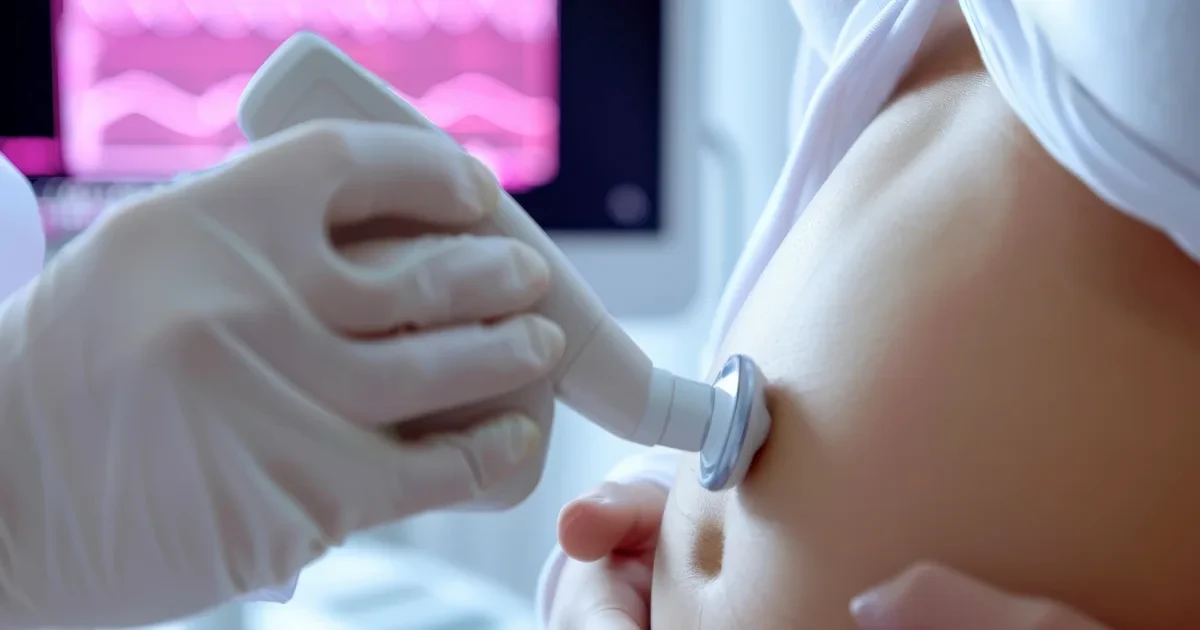
Amniocentesis is usually performed as an outpatient procedure in a maternity center or doctor’s office. During the procedure, the baby’s position in the uterus is first determined by ultrasound. The expectant mother lies on her back, and the abdominal area is prepared. Gel is applied to the abdomen, and the baby’s position is monitored using an ultrasound device. The abdominal area is then cleaned. In most cases, numbing medication is not used. Mild pain or cramping may generally be felt during the procedure. Under ultrasound guidance, a thin hollow needle is passed through the abdominal wall and advanced into the uterus. A small amount of amniotic fluid is collected, and the needle is removed.
It is important to remain still during the procedure. A brief pain may be felt when the needle enters the skin, and a cramp-like sensation may occur when it advances into the uterus.
What Should Be Considered After Amniocentesis?
After amniocentesis, the doctor may continue to check the baby’s heartbeat with ultrasound. Mild cramping or pelvic pain may occur after the procedure. Most people can return to their daily activities within a short time. However, resting for the period recommended by your doctor and avoiding strenuous activities may be safer. The collected amniotic fluid sample is sent to the laboratory. Some results may be available within a few days, while some tests may take several weeks to be finalized.
When Should You Contact a Doctor?
Some symptoms should be monitored carefully after amniocentesis. If any of the following occur, you should contact your healthcare professional without delay:
- Vaginal bleeding
- Leakage of amniotic fluid
- Severe uterine cramps lasting longer than a few hours
- Fever
- Redness at the needle insertion site
- A noticeable decrease in the baby’s movements
- Absence of perceived fetal movements
What Do Amniocentesis Results Mean?
Amniocentesis results should be evaluated by your doctor or genetic counselor. Genetic amniocentesis may diagnose or rule out certain genetic and chromosomal conditions, such as Down syndrome. However, amniocentesis does not detect all genetic diseases or congenital anomalies. Therefore, the scope of the results, the type of test, and the overall condition of the pregnancy should be evaluated together.
If the amniocentesis result shows that your baby has an untreatable genetic or chromosomal condition, the process may be emotionally challenging. In such a situation, it is important to seek support from your healthcare team, a genetic counselor, and your loved ones.
How Should the Decision for Amniocentesis Be Made?
The decision to undergo amniocentesis is personal. When making this decision, the week of pregnancy, screening tests, ultrasound findings, family history, and the expectant mother’s expectations should be evaluated together.
Your doctor and genetic counselor will help you in the decision-making process by explaining the information the procedure may provide and the possible risks. The important point is to understand why the procedure is recommended and to evaluate in advance what path may be followed according to the results.