
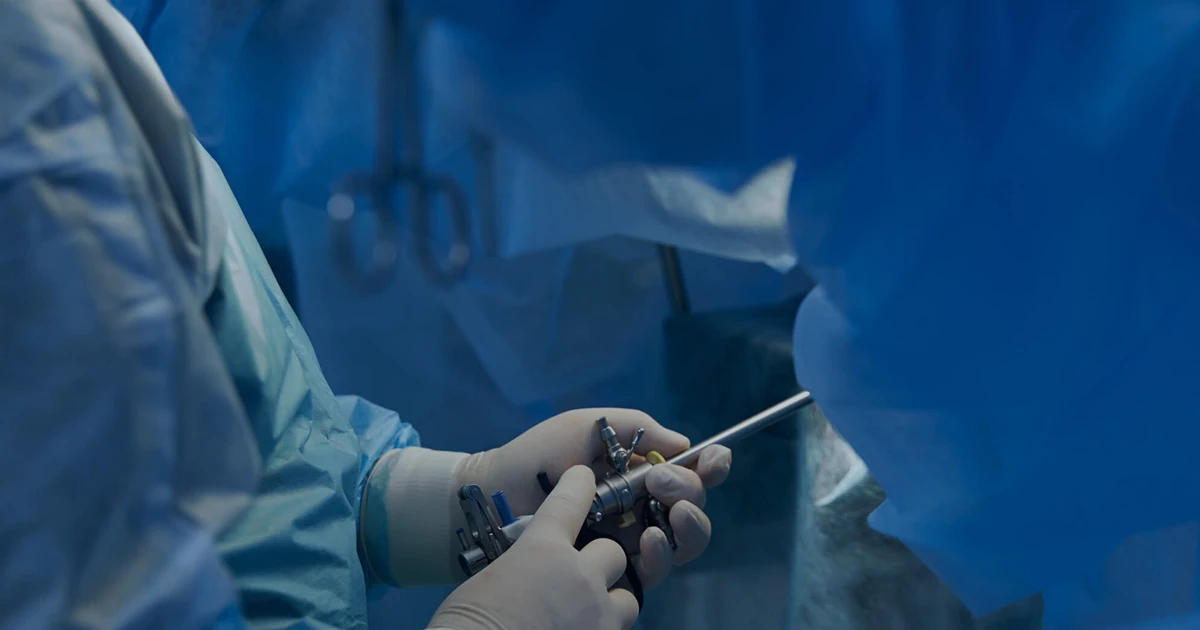
Operative Hysteroscopy
Operative hysteroscopy is a gynecological procedure that allows certain problems inside the uterus to be visualized with a camera and treated in the same session. Intrauterine polyps, fibroids, adhesions, and certain causes of bleeding can be evaluated with this method and treated in suitable patients.
Hysteroscopy is a procedure performed by entering the uterus through the cervix with the help of a thin, illuminated camera system. With this method, the inside of the uterus can be directly visualized without making an incision in the abdomen. It may be performed for diagnostic purposes, or as operative hysteroscopy in cases requiring surgical intervention.
What Is Hysteroscopy?
Hysteroscopy is an endoscopic method that allows direct visualization of the inside of the uterus. During the procedure, a thin camera system called a hysteroscope is passed through the cervix and advanced into the uterus. In this way, the uterine cavity, uterine wall, and possible structural problems can be examined in detail.
Hysteroscopy may provide important information especially in cases of abnormal uterine bleeding, menstrual irregularities, recurrent miscarriages, infertility evaluation, and suspicion of an intrauterine mass.
What Is Diagnostic Hysteroscopy?
Diagnostic hysteroscopy is a hysteroscopy procedure performed to detect problems inside the uterus. The aim of this method is to directly visualize the inside of the uterus and identify structural problems that may be causing symptoms.
Diagnostic hysteroscopy may be used to evaluate the following conditions:
- Abnormal uterine bleeding
- Irregular menstrual bleeding
- Dysmenorrhea, meaning painful menstruation
- Suspicion of intrauterine polyps
- Suspicion of submucosal fibroids
- Intrauterine adhesions
- Recurrent miscarriages
- Investigation of causes of inability to conceive
- Evaluation of abnormal findings seen on ultrasound, sonogram, or HSG
- Cases requiring further examination after an endometrial biopsy result
Diagnostic hysteroscopy helps evaluate the location, size, and structure of the problem inside the uterus more clearly.
What Is Operative Hysteroscopy?
Unlike diagnostic hysteroscopy, operative hysteroscopy is not performed only for visualization. It allows certain problems detected inside the uterus to be treated with the help of special surgical instruments.
Using thin surgical instruments passed through the hysteroscope, polyps can be removed, intrauterine adhesions can be opened, or fibroids growing toward the uterine cavity can be treated. In suitable patients, this procedure allows intrauterine problems to be treated without the need for open surgery.
In Which Situations Is Operative Hysteroscopy Performed?
Operative hysteroscopy may be performed in certain conditions that require direct intervention inside the uterus. Whether it is necessary for a patient is determined according to examination findings, ultrasound results, and, when needed, other imaging results.
Operative hysteroscopy may be preferred in the following situations:
- Removal of intrauterine polyps
- Treatment of fibroids growing toward the uterine cavity
- Opening of intrauterine adhesions
- Treatment of structural problems causing abnormal uterine bleeding
- Correction of congenital anomalies such as a uterine septum
- Treatment of intrauterine abnormalities detected on HSG or ultrasound
- Correction of intrauterine problems in infertility or recurrent miscarriages
For example, a polyp located inside the uterus may cause both irregular bleeding and an environment that may make it difficult for the embryo to implant in the uterus. In suitable patients, this polyp can be removed by operative hysteroscopy.
How Is Operative Hysteroscopy Performed?
Operative hysteroscopy is usually performed in a hospital or a clinical setting where surgical procedures can be carried out. The way the procedure is performed may vary depending on the type of problem to be treated and the patient’s condition.
During the procedure, the patient is prepared in the gynecological examination position. The hysteroscope is passed through the cervix and advanced into the uterus. To allow clearer visualization of the inside of the uterus, the uterine cavity is expanded with special fluids. In this way, the doctor can observe the inside of the uterus in detail on a screen.
If there is a problem such as a polyp, fibroid, or adhesion, intervention is performed with special surgical instruments passed through the hysteroscope. After the procedure is completed, the hysteroscope is removed, and the patient may be kept under observation for a short time.
Is Operative Hysteroscopy Painful?
The sensation of pain during operative hysteroscopy varies depending on the scope of the procedure and the anesthesia method used. While diagnostic hysteroscopy may be performed without anesthesia or with mild pain relief support in some patients, anesthesia may generally be preferred in operative hysteroscopy for a more comfortable procedure.
After the procedure, mild groin pain or cramping similar to menstrual pain may occur. These complaints are usually short-lived and can be controlled with medications recommended by the doctor.
What Are the Advantages of Operative Hysteroscopy?
Operative hysteroscopy allows intrauterine problems to be directly visualized and treated. One of the most important advantages of this method is that it can be performed without making an incision in the abdomen.
The main advantages of operative hysteroscopy include:
- It allows direct visualization of the inside of the uterus.
- Diagnosis and treatment can be performed in the same session.
- It does not require an abdominal incision.
- It may provide faster recovery in suitable patients.
- Intrauterine polyps, fibroids, and adhesions can be treated directly.
- The hospital stay may be short.
- Return to daily life may be faster compared with open surgery.
Despite these advantages, not every intrauterine problem can be treated with hysteroscopy. Especially the size and location of a fibroid and its relationship with the uterine wall are important factors that determine the treatment method.
What Should Be Considered Before Operative Hysteroscopy?
Before the procedure, the doctor evaluates the patient’s medical history and current complaints. Ultrasound, blood tests, or previously performed HSG, sonogram, or biopsy results may be reviewed.
Before operative hysteroscopy, it is important to inform your doctor about the following:
- If there is a possibility of pregnancy
- If you take any medications regularly
- If you use blood-thinning medications
- If you have had previous surgeries
- If you have allergies
- If you have signs of active vaginal infection or pelvic infection
- If you have complaints such as heavy bleeding or fever
The procedure is usually planned during a period when there is no menstrual bleeding. This allows the inside of the uterus to be visualized more clearly.
What Should Be Considered After Operative Hysteroscopy?
After operative hysteroscopy, mild groin pain, cramping, and a small amount of spotting may occur. This is often an expected process. However, the severity and duration of complaints are important.
Things to consider after the procedure include:
- Medications recommended by the doctor should be used regularly.
- Sexual intercourse should be avoided for the specified period.
- Vaginal tampons should not be used.
- Vaginal douching should not be performed.
- If heavy bleeding, foul-smelling discharge, or fever occurs, a doctor should be consulted.
- Follow-up appointments should not be missed.
The recovery period may vary depending on the scope of the procedure performed. Recovery may be shorter after removal of a small polyp, while the follow-up process after treatment of intrauterine adhesions or fibroids may be planned in more detail.
Does Operative Hysteroscopy Affect Fertility?
Operative hysteroscopy may help eliminate intrauterine problems that negatively affect fertility in some patients. In particular, intrauterine polyps, adhesions, or fibroids that distort the uterine cavity may affect the chance of pregnancy.
Appropriate treatment of these structures may create a healthier environment for the embryo to implant in the uterus. However, it should be remembered that not every cause of infertility originates from the inside of the uterus. Ovarian reserve, sperm quality, the condition of the fallopian tubes, and hormonal factors should also be evaluated together.
What Should Be Known About Operative Hysteroscopy?
Operative hysteroscopy is an effective method used in both the diagnosis and treatment of certain problems inside the uterus. It offers the opportunity for direct intervention especially in intrauterine pathologies such as polyps, fibroids, and adhesions.
This procedure is not planned in a standard way for every patient. Complaints, imaging results, age, pregnancy plan, and medical history should be evaluated together. The most appropriate approach is to discuss in detail with the doctor why the procedure is necessary and what kind of follow-up will be performed after the procedure.
Frequently Asked Questions
What is operative hysteroscopy?
Operative hysteroscopy is the treatment of problems such as polyps, fibroids, or adhesions inside the uterus with surgical instruments while visualizing them with a camera.
What is the difference between diagnostic hysteroscopy and operative hysteroscopy?
Diagnostic hysteroscopy is performed to visualize the inside of the uterus. Operative hysteroscopy allows the detected problem to be treated in the same session.
In which situations is operative hysteroscopy performed?
It may be performed to treat intrauterine problems in cases of intrauterine polyps, submucosal fibroids, adhesions, abnormal bleeding, infertility, or recurrent miscarriages.
Is there bleeding after operative hysteroscopy?
Mild spotting or a small amount of bleeding may occur after the procedure. If heavy bleeding, foul-smelling discharge, or fever occurs, a doctor should be consulted.
Does operative hysteroscopy increase the chance of pregnancy?
If there are problems such as intrauterine polyps, adhesions, or fibroids that distort the uterine cavity, treating them may contribute positively to the chance of pregnancy.