
IUI Intrauterine Insemination
What Is IUI Intrauterine Insemination?
IUI, or intrauterine insemination, is one of the assisted reproductive methods used for couples who have difficulty achieving pregnancy. In Turkish, it is also known as intrauterine insemination or artificial insemination.
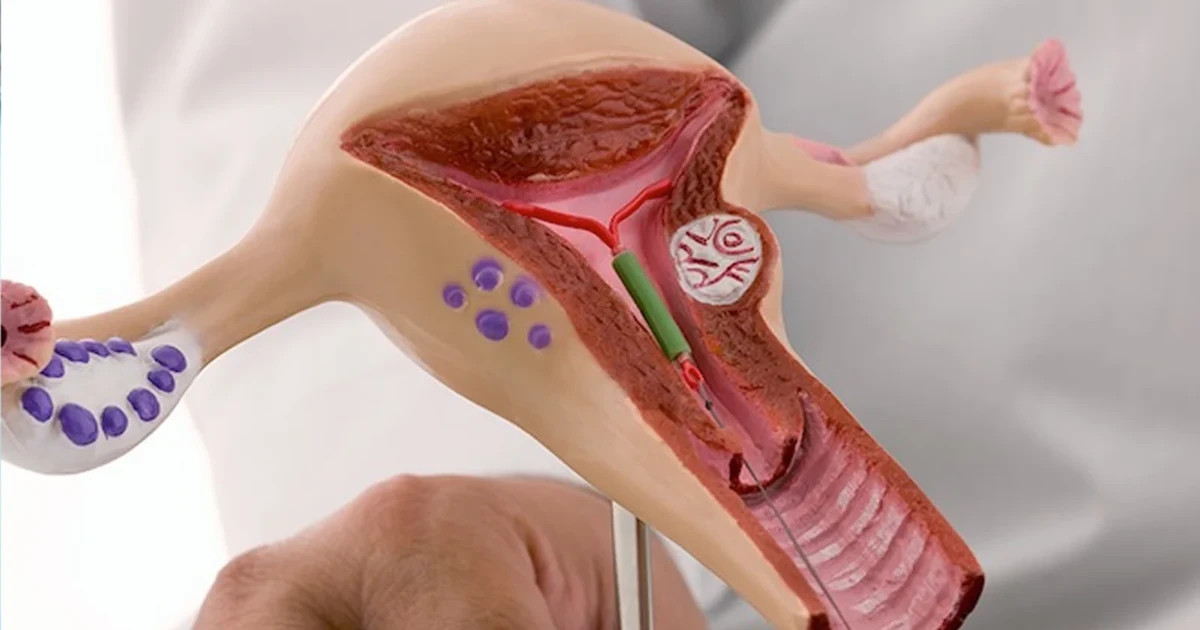
In this method, specially prepared sperm are placed directly into the uterus at the appropriate time during the ovulation period. The aim is to increase the likelihood of sperm reaching the egg and to support the chance of pregnancy.
In IUI treatment, sperm are placed into the uterus during the period when one or more eggs are released from the ovaries. The expected process is for the sperm to meet the egg in the fallopian tube and for fertilization to occur naturally.
How Does IUI Treatment Work?
In a natural pregnancy, sperm travel from the vagina to the cervix, then into the uterus and toward the fallopian tubes. However, in some cases, sperm count, sperm motility, cervical mucus, or ovulation problems may reduce the chance of pregnancy.
In IUI treatment, sperm are prepared in the laboratory, and high-quality, motile sperm are separated. These sperm are then placed directly into the uterus with the help of a thin catheter. This reduces the distance that sperm need to travel to reach the egg.
This procedure may be planned according to the person’s natural menstrual cycle or may be performed together with medications that support ovulation.
Who Is IUI Suitable For?
Intrauterine insemination treatment may be preferred in different patient groups depending on the cause of infertility. The couple must be evaluated together to decide which method is appropriate.
IUI treatment may be recommended in the following situations:
- Unexplained infertility
- Mild male factor infertility
- Use of donor sperm
- Ovulation problems
- Cervical factor infertility
- Infertility associated with endometriosis
- Semen allergy
- Mild abnormalities in sperm motility or count
The chance of success is not the same for every couple. The woman’s age, ovarian reserve, sperm quality, whether the tubes are open, and the duration of infertility are important factors that affect the treatment plan.
IUI with Donor Sperm
Donor sperm is sperm obtained from a known or unknown donor. Donor sperm may be considered in cases such as absence of sperm in the partner, sperm quality not being sufficient for pregnancy, or the person being single.
If donor sperm will be used, the sperm sample is obtained from certified laboratories. Before the IUI procedure, it is thawed, prepared, and made suitable for placement into the uterus.
For people planning pregnancy with donor sperm, IUI is one of the commonly used assisted reproductive methods.
IUI in Unexplained Infertility
In some couples, despite testing, the reason for inability to achieve pregnancy may not be clearly identified. This condition is called unexplained infertility.
In unexplained infertility, IUI can generally be considered one of the first treatment options. In this case, intrauterine insemination may be performed together with medications that support ovulation. The aim is to increase the chance of pregnancy within the same cycle.
IUI in Mild Male Factor Infertility
In some couples, the difficulty in achieving pregnancy may be related to mild sperm abnormalities. Semen analysis evaluates sperm count, motility, morphology, and overall quality.
If sperm parameters show mild abnormalities, IUI may be helpful. This is because the sperm sample is washed before the procedure, and more motile, higher-quality sperm are separated. In this way, a more concentrated and selected sperm sample is placed into the uterus.
However, if sperm count or motility is severely low, methods such as IVF and microinjection may be more appropriate.
IUI in Cervical Factor Infertility
The cervix is an important area in the passage of sperm into the uterus. During the ovulation period, cervical mucus helps sperm move forward. However, in some cases, this mucus may be very thick, or structural problems in the cervix may make sperm passage difficult.
Previous biopsy, surgery, or scar tissue may also cause thickening in the cervix. Since IUI treatment places sperm directly into the uterus, it bypasses the cervix and may increase the likelihood of sperm reaching the egg.
Endometriosis and IUI Treatment
Endometriosis is the presence of tissue similar to the inner lining of the uterus outside the uterus. This condition may cause infertility in some women.
In infertility associated with endometriosis, especially in mild cases, IUI treatment together with medications that support ovulation may be considered. The aim here is to support the development of good-quality eggs and increase the chance of pregnancy.
IUI in Ovulation Problems
Irregular ovulation or absence of ovulation may make it difficult to achieve pregnancy. IUI may be performed together with medications that support ovulation in people with ovulatory factor infertility.
During this process, the response of the ovaries is monitored with ultrasound and hormone tests. After the timing of ovulation is determined, the IUI procedure is planned at the correct time.
How Should You Prepare for IUI Treatment?
Timing is very important in intrauterine insemination treatment. Placement of the sperm sample into the uterus must be planned in accordance with the ovulation period.
The preparation process generally consists of the following steps:
- Monitoring ovulation
- Using ovulation medications if necessary
- Monitoring egg development with ultrasound
- Determining the LH surge or timing of ovulation
- Preparing the sperm sample
- Planning the appropriate day for the IUI procedure
In some patients, LH hormone may be monitored with ovulation tracking kits used at home. In others, egg development is monitored with transvaginal ultrasound. When necessary, medications such as an HCG trigger injection may be used to support the timing of ovulation.
How Is the Sperm Sample Prepared?
The sperm sample to be used in the IUI procedure is processed through special laboratory techniques. This process is commonly known as sperm washing.
During sperm preparation, motile and healthy sperm are separated. Lower-quality sperm and certain substances that may cause reactions such as cramping when placed into the uterus are removed.
In this way, a more concentrated, motile, and more suitable sperm sample for pregnancy is placed into the uterus.
How Is IUI Intrauterine Insemination Performed?
The IUI procedure is usually performed in a doctor’s office or clinical setting. The procedure itself is short and usually does not require anesthesia or pain medication.
During the procedure, the patient lies in the gynecological examination position. A speculum is inserted to open the vaginal walls. Then, the specially prepared sperm sample is placed into the uterus with the help of a thin and flexible catheter.
The procedure generally follows these steps:
- The patient is positioned on the examination table.
- The cervix is made visible with a speculum.
- The prepared sperm sample is drawn into the catheter.
- The catheter is advanced through the vagina and cervix into the uterus.
- The sperm sample is released into the uterus.
- The catheter and speculum are removed.
After the procedure, resting on the back for a short time may be sufficient. The person can then return to daily life.
What Should Be Considered After IUI?
After IUI, most people can continue their normal daily routine. Mild spotting may occur for one or two days after the procedure. This is usually related to the catheter passing through the cervix and generally does not have a negative effect on the chance of pregnancy.
Points to consider after IUI include:
- Medications prescribed by the doctor should be used regularly.
- Excessive physical strain may be avoided.
- Mild spotting may be normal.
- If severe pain, heavy bleeding, or fever occurs, a doctor should be consulted.
- The recommended waiting period for the pregnancy test should be followed.
A pregnancy test should not be performed immediately after the procedure. Testing too early may cause inaccurate results.
When Is a Pregnancy Test Performed After IUI?
After IUI, it is generally recommended to wait approximately two weeks before taking a pregnancy test. Tests performed earlier may produce false negative or false positive results.
A false negative result means that the test appears negative because pregnancy hormones have not yet reached a measurable level, even though the person is pregnant.
A false positive result may occur especially if fertility medications containing HCG have been used. Since the medication may still be present in the body, the test may appear as if pregnancy exists.
For this reason, the most accurate evaluation is made with a blood test performed on the date recommended by the doctor.
How Many Times Can IUI Treatment Be Tried?
IUI treatment may not result in pregnancy on the first attempt. If pregnancy does not occur, the doctor may recommend repeating the treatment depending on the couple’s situation.
In general, the same treatment may be tried for 3 to 6 cycles to increase the chance of pregnancy. However, this number may vary depending on the woman’s age, ovarian reserve, sperm quality, the condition of the tubes, and response to previous treatment.
If pregnancy cannot be achieved despite several attempts, different assisted reproductive methods such as IVF may be considered.
What Are the Risks of IUI Treatment?
IUI is generally a simple and safe procedure. The risk of serious complications is low. However, as with every medical procedure, some risks may exist.
Possible risks include:
- Mild risk of infection
- Spotting after the procedure
- Mild cramping
- Risk of multiple pregnancy when fertility medications are used
The IUI procedure itself does not increase the risk of multiple pregnancy. However, when medications that support ovulation are used, the possibility of twin or triplet pregnancy may increase. In multiple pregnancies, risks such as preterm birth and low birth weight may be higher.
Factors Affecting the Success of IUI
The success rate of intrauterine insemination treatment varies from person to person. Many factors affect treatment success.
The main factors affecting success include:
- The woman’s age
- Ovarian reserve
- Ovulation pattern
- Sperm count and motility
- Open fallopian tubes
- Cause of infertility
- Duration of infertility
- Medications used
- Previous pregnancy or treatment history
Open fallopian tubes are especially important for IUI. This is because sperm and egg need to meet in the fallopian tube for fertilization to occur.
Why Is Personalized Planning Important in IUI Treatment?
Although IUI treatment may seem like a simple procedure, correct patient selection and proper timing are very important for success. The same protocol may not be suitable for every couple.
In some patients, IUI can be performed in a natural cycle, while in others, medications that support ovulation may be required. In some couples, sperm preparation may provide sufficient advantage, while in some cases IVF may be a more appropriate option.
Therefore, the decision for IUI should be made by evaluating ovulation status, sperm analysis, tubal patency, age, and pregnancy goal together.
What Should Be Known About IUI Intrauterine Insemination?
IUI is one of the simpler assisted reproductive methods that can be considered before IVF for couples who have difficulty achieving pregnancy. It may be a suitable option especially for patients with unexplained infertility, mild male factor infertility, cervical factor infertility, or ovulation problems.
However, IUI may not be effective for every cause of infertility. If the tubes are blocked, sperm parameters are severely low, or ovarian reserve is significantly reduced, different treatment options may be required. Therefore, the treatment plan should always be created individually after specialist evaluation.
Frequently Asked Questions
What is IUI intrauterine insemination?
IUI is an assisted reproductive method in which specially prepared sperm are placed directly into the uterus during the ovulation period.
Who is IUI performed for?
It may be performed in cases of unexplained infertility, mild male factor infertility, ovulation problems, cervical factor infertility, or when donor sperm use is required.
Is the IUI procedure painful?
It is generally not a painful procedure. Some people may feel mild cramping or short-term discomfort.
When is a pregnancy test performed after IUI?
A pregnancy test is generally recommended approximately two weeks after the procedure. For the most accurate result, the date determined by the doctor should be awaited.
How many times can IUI be tried?
Although it varies depending on the person’s condition, it can generally be tried for 3 to 6 cycles. If no result is achieved, different treatment options may be evaluated.