
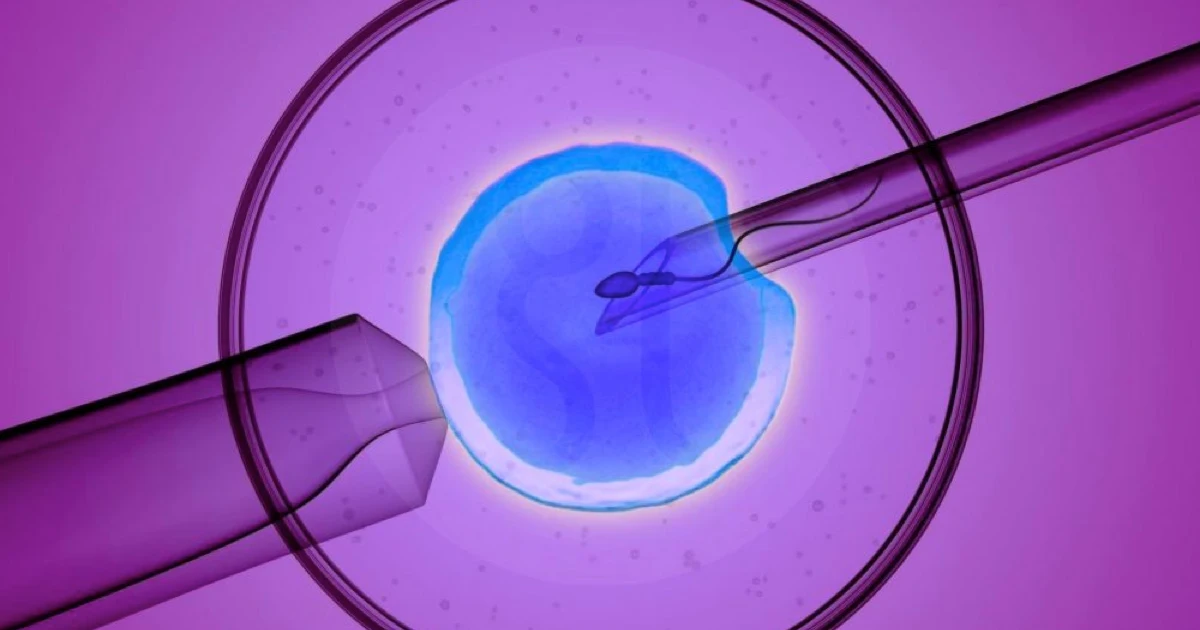
Microchip sperm selection is one of the sperm selection methods used in IVF treatments. The aim of this method is to select healthier sperm cells with higher potential to fertilize the egg by making use of the sperm’s natural motility.
One of the most important factors affecting success in IVF treatment is bringing together a high-quality egg and a high-quality sperm cell. Sperm count, motility, morphology, and DNA integrity may affect embryo development. Microchip sperm selection may be considered a supportive laboratory technique in the treatment process, especially in cases where sperm quality is low.
What Is Microchip Sperm Selection?
Microchip sperm selection is a method that enables motile and healthy sperm to be separated through specially designed microchannels. This method is based on mimicking the natural process in which sperm try to reach the egg within the female reproductive system.
In conventional sperm preparation methods, the sperm sample undergoes various laboratory procedures. In the microchip method, sperm move through microchannels within a special system. Sperm that can pass through these channels most effectively are considered more advantageous in terms of motility and structural features.
For this reason, microchip sperm selection can be described as a more natural sperm selection approach.
How Is Microchip Sperm Selection Applied?
Microchip sperm selection is applied during the laboratory stage of IVF treatment. The treatment process generally proceeds similarly to conventional IVF or microinjection procedures. The difference appears during the sperm preparation and selection stage.
In standard IVF treatment, the sperm sample is usually washed and prepared using devices such as centrifuges. In this process, sperm cells are separated by spinning at certain speeds. However, some studies suggest that intensive centrifugation procedures may have negative effects on sperm DNA.
In the microchip sperm selection method, procedures such as washing, compression, and sedimentation are reduced as much as possible. Sperm pass through microchannels in a special solution. During this passage, more motile and healthier sperm come forward.
To explain it with a simple example, sperm move through the microchannels as if they were trying to reach the egg cell. The sperm that successfully complete this “race” are selected as more suitable candidates for fertilization.
How Is the Microchip Method Used in IVF Treatment?
Microchip sperm selection is not a standalone treatment in IVF. It is an additional method that supports sperm selection during the laboratory stage.
The sperm selected with this method can usually be used in microinjection, also known as ICSI. In the ICSI method, the selected sperm is injected directly into the mature egg cell. Therefore, proper sperm selection is important for embryo development.
Microchip technology may also be used together with other additional laboratory methods depending on the treatment plan. Which method will be used is determined according to the couple’s cause of infertility, sperm analysis results, previous IVF attempts, and embryo development history.
Who Is Microchip Sperm Selection Recommended For?
Microchip sperm selection may be considered especially in cases of male factor infertility. This method may be brought up in couples where sperm quality is low, sperm motility is reduced, or embryo development problems have occurred in previous treatments.
Microchip sperm selection may be recommended in the following situations:
- Cases of low sperm quality
- Reduced sperm motility
- Male factor infertility
- History of previous unsuccessful IVF attempts
- Cases of poor embryo development quality
- Patients with suspected sperm DNA damage
- Treatment processes requiring healthier sperm selection
This method may not be necessary for every couple. First, the cause of infertility must be accurately identified. This is because success in IVF treatment does not depend only on sperm selection; egg quality, uterine condition, embryo development, and genetic factors should also be evaluated together.
What Are the Advantages of Microchip Sperm Selection?
Microchip sperm selection may be used as an alternative to conventional methods because it separates sperm according to their natural motility. Applying fewer mechanical procedures during sperm preparation is considered an important advantage.
The main advantages of microchip sperm selection include:
- It is a method close to natural sperm selection.
- It may help select motile and healthy sperm.
- It may reduce intensive mechanical procedures such as centrifugation.
- It may contribute to preserving sperm DNA integrity.
- It may be supportive in the treatment of male factor infertility.
- It may facilitate the selection of more suitable sperm for microinjection.
Despite these advantages, microchip sperm selection does not guarantee pregnancy. The method is an additional laboratory application intended to support treatment success.
Does Microchip Sperm Selection Increase the Chance of Pregnancy?
Microchip sperm selection may contribute to the treatment process in some patient groups by helping select healthier sperm cells. However, the chance of pregnancy depends on many factors.
The main factors affecting the chance of pregnancy include:
- The woman’s age
- Egg quality
- Sperm count and motility
- Sperm DNA integrity
- Embryo quality
- The condition of the uterine lining
- Previous IVF attempts
- Laboratory conditions
- Genetic factors
Therefore, microchip sperm selection should not be seen as a method that determines success on its own. When evaluated as part of the right treatment plan in the right patient group, it may provide meaningful support.
What Should Be Known About Microchip Sperm Selection?
Microchip sperm selection is one of the modern laboratory methods that helps evaluate sperm quality more carefully in IVF treatment. Especially in cases of male factor infertility, the aim is to select healthier sperm cells.
Unlike conventional sperm preparation techniques, this method provides separation based on the natural movement of sperm. However, it is not necessary in every treatment. Whether it is suitable for a couple should be decided after sperm analysis and evaluation by an IVF specialist.
The most appropriate approach in treatment is to correctly identify the cause of infertility and plan the necessary additional methods individually.
Frequently Asked Questions
What is microchip sperm selection?
Microchip sperm selection is a laboratory method that helps select motile and healthy sperm through special microchannels.
Who is microchip sperm selection applied to?
It may be considered in couples with low sperm quality, male factor infertility, or previous unsuccessful IVF attempts.
Does the microchip method replace IVF treatment?
No. Microchip sperm selection does not replace IVF treatment. It is a supportive method used during the laboratory stage of treatment.
Does microchip sperm selection guarantee pregnancy?
No. This method may help select healthier sperm; however, it does not guarantee pregnancy. Success depends on many different factors.
Can microchip sperm selection be used together with microinjection?
Yes. Sperm selected with the microchip method can be used in microinjection, also known as ICSI.