
What Is Embryo Freezing?
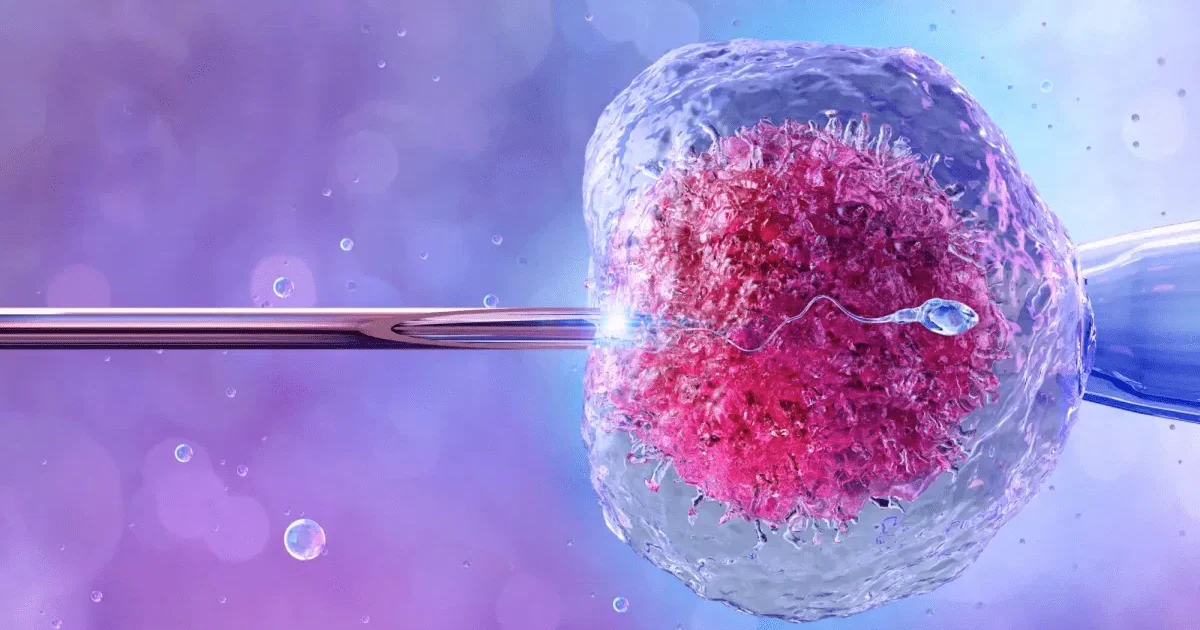
Embryo freezing is the process of freezing and storing embryos obtained during in vitro fertilization treatment under special laboratory conditions for future use. It is also medically known as embryo cryopreservation.
In IVF treatment, more than one high-quality embryo may be obtained in some couples. Not all of these embryos may be used in the same treatment cycle. In such cases, suitable embryos can be frozen and stored for a future pregnancy plan.
Embryo freezing may be an important option not only in cases where extra embryos are obtained during IVF treatment, but also before medical treatments that may affect fertility.
Why Is Embryo Freezing Preferred?
Embryo freezing may be performed for couples or individuals who wish to preserve their chance of having children in the future. Especially if more than one embryo is formed during a successful IVF cycle, these embryos can be frozen for reuse in later periods.
Embryo freezing may be preferred for the following reasons:
- Obtaining more than one high-quality embryo during IVF treatment
- Planning pregnancy again in the future
- Waiting for the results of preimplantation genetic testing
- Preserving fertility before cancer treatment
- Planning fertility before hormone treatment or different medical interventions
- Reducing the risk of ovarian hyperstimulation syndrome
- Hormone levels not being suitable for pregnancy during the IVF process
In some cases, the doctor may recommend postponing embryo transfer and freezing the embryos. This approach may be preferred for both patient safety and treatment success.
Embryo Freezing in Patients Undergoing PGT
Preimplantation genetic testing is a method that allows embryos to be evaluated genetically. The results of this test may usually take several days to more than a week.
For this reason, in patients undergoing PGT, embryos are generally frozen for use after the test. After the results are evaluated, a suitable embryo can be selected and transfer planning can be made.
Preparation Process Before Embryo Freezing
To create embryos, preparation for the egg retrieval process is first carried out. At this stage, the doctor evaluates hormone levels and performs an ultrasound examination to understand whether the ovaries are suitable for treatment.
Hormonal medications in the form of injections may be used to stimulate the ovaries to develop multiple eggs. These medications stimulate the follicles in which the eggs grow and make them suitable for the egg retrieval procedure.
Throughout this process, the patient is closely monitored. The response of the ovaries to the medications is evaluated through ultrasound checks and hormone tests.
How Is Embryo Freezing Performed?
The embryo freezing process consists of several basic stages. These stages proceed together with the laboratory and clinical steps of IVF treatment.
Egg Retrieval Procedure
When the eggs reach sufficient maturity, the egg retrieval procedure is performed. This procedure is usually carried out under mild sedation and in outpatient conditions.
The doctor reaches the ovaries through the vagina under ultrasound guidance. The eggs are collected one by one with the help of a thin needle and catheter. The number of eggs collected may vary depending on the person’s ovarian reserve and response to treatment.
Fertilization of the Eggs
The collected eggs are fertilized in the laboratory with the sperm of the partner or donor. After fertilization, embryos are formed and monitored in a special culture medium.
Embryos are usually observed in the laboratory for 5 to 7 days. During this period, the developmental quality of the embryos is evaluated.
Evaluation of the Embryos
The embryologist examines the developing embryos in terms of quality. Embryos are evaluated according to their potential to implant and develop into pregnancy when transferred to the uterus.
When necessary, a sample may be taken from the embryos for genetic testing. This evaluation is especially important if there is a known family history of genetic disease or if PGT is planned.
Freezing the Embryos
Embryos of suitable quality are frozen using a rapid freezing method called vitrification. In this method, the water inside the embryo cells is replaced with a special protective solution.
The embryos are then frozen very rapidly using liquid nitrogen. This process helps prevent the formation of ice crystals that could damage the cells.
Where Are Frozen Embryos Stored?
Frozen embryos are stored under controlled conditions in special laboratories or reproductive medicine centers. Embryos are kept at low temperatures in liquid nitrogen tanks.
Under suitable laboratory conditions, embryos can be stored for many years. The storage period may vary according to legal regulations, the practices of the center, and the patient’s preference.
How Is Frozen Embryo Transfer Performed?
The use of frozen embryos for pregnancy is called frozen embryo transfer, or FET.
In this process, the uterus is first prepared for embryo transfer. In some patients, the uterine lining is prepared with estrogen and progesterone treatments. In others, the natural cycle is monitored and the transfer is planned according to the timing of ovulation.
When the uterus is ready, the embryo is thawed and placed into the uterus with the help of a thin catheter. The procedure is usually short and may not require anesthesia.
Approximately 10 days after the transfer, the result of the procedure is evaluated with a blood pregnancy test.
Does Embryo Freezing Increase the Chance of Pregnancy?
Embryo freezing may provide an important advantage for future pregnancy planning. However, the chance of pregnancy depends on many factors.
The main factors affecting success include:
- The woman’s age at the time the embryos were created
- Egg and sperm quality
- Embryo quality
- The condition of the uterine lining
- Laboratory conditions
- Freezing and thawing techniques used
- Previous IVF history
In general, embryos created from eggs obtained at a younger age may have higher pregnancy potential. Embryos created with eggs obtained from women aged 35 and under are considered to have a more advantageous chance of success.
What Are the Risks of Embryo Freezing?
Embryo freezing itself is a storage procedure performed in the laboratory environment. However, there may be some risks during the ovarian stimulation and egg retrieval processes required to create embryos.
Possible risks include:
- Complications related to sedation
- Risk of infection
- Risk of bleeding
- Rare organ injuries related to the needle or catheter
- Ovarian hyperstimulation syndrome
- Abdominal pain, bloating, or tenderness
Although these risks are rare, close monitoring of the patient throughout the process is important. Doctor follow-ups help detect possible complications early.
Who May Be Suitable for Embryo Freezing?
Embryo freezing is especially suitable for couples undergoing IVF treatment who have high-quality embryos. Apart from this, it may also be considered for people who wish to preserve their fertility for medical reasons.
Embryo freezing may be recommended for:
- Couples who obtain extra high-quality embryos during IVF treatment
- Couples who want to have children again in the future
- Patients waiting for PGT results
- People who want to preserve fertility before cancer treatment
- People who will undergo medical treatment that may affect fertility
- Patients whose transfer is postponed due to the risk of ovarian hyperstimulation
What Determines the Cost of Embryo Freezing?
The cost of embryo freezing may vary depending on the scope of the treatment process. This process is not limited only to the freezing procedure; hormone treatments, egg retrieval, laboratory procedures, embryo culture, freezing, storage, and future transfer procedures may affect the cost.
The main factors affecting cost include:
- Medications used
- Egg retrieval procedure
- Laboratory and embryo culture procedures
- Whether genetic testing is performed
- Embryo freezing method
- Storage period
- Frozen embryo transfer plan
Therefore, the most accurate cost information can be provided after the person’s treatment plan has been created.
How Should the Decision for Embryo Freezing Be Made?
The decision for embryo freezing should be made by evaluating the couple’s pregnancy plan, IVF treatment process, number of embryos, embryo quality, and medical necessities together.
This method may allow embryo transfer in the future without restarting IVF treatment from the beginning. However, the success rate is different for each patient. Therefore, the process should always be planned individually by a gynecology, obstetrics, and IVF specialist.
Frequently Asked Questions
What is embryo freezing?
Embryo freezing is the process of storing embryos obtained through IVF treatment under special laboratory conditions for future use.
Why are embryos frozen?
Embryos may be frozen for the future use of extra high-quality embryos, waiting for PGT results, preserving fertility, or postponing transfer for medical reasons.
How is frozen embryo transfer performed?
After the uterus is prepared for transfer, the thawed embryo is placed into the uterus with the help of a thin catheter. A pregnancy test is performed approximately 10 days later.
How long can frozen embryos be stored?
Embryos can be stored for many years under suitable laboratory conditions. The storage period may vary according to center practices and legal regulations.
Does embryo freezing guarantee pregnancy?
No. Embryo freezing may help preserve the chance of pregnancy; however, it does not provide a definite pregnancy guarantee. Success depends on many factors such as age, embryo quality, and uterine preparation.