
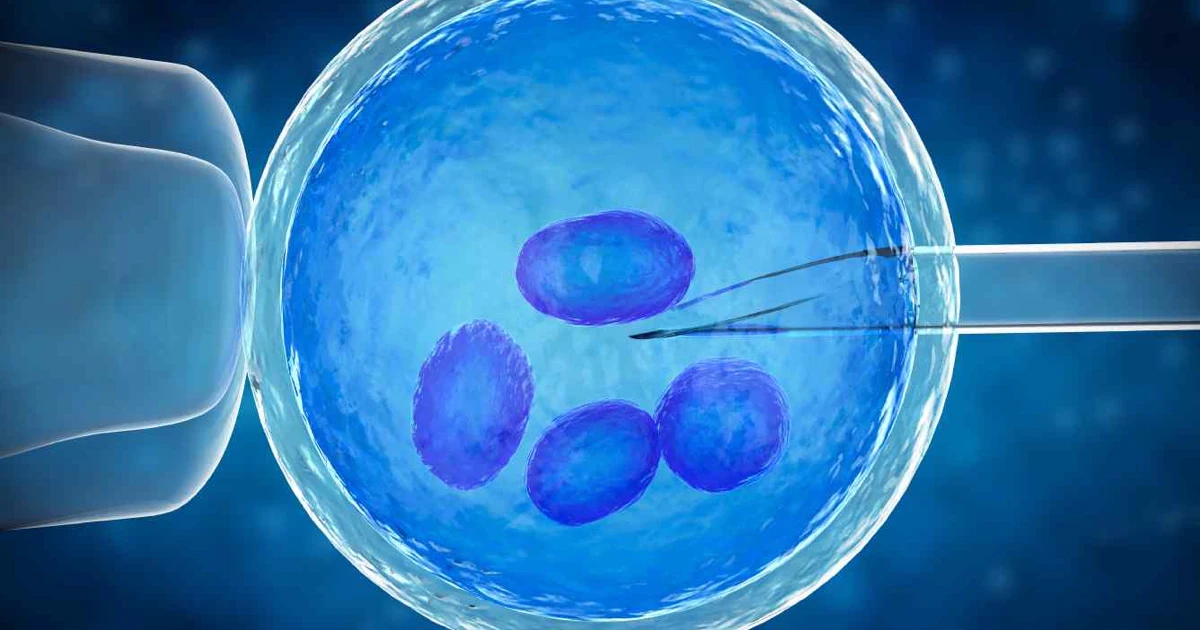
Preimplantation genetic diagnosis is an advanced laboratory procedure used in IVF treatment to genetically evaluate embryos before they are transferred into the mother’s uterus. It is also abbreviated as PGT.
This method helps investigate chromosomal abnormalities or certain genetic diseases in embryos. The aim is to obtain more detailed information about embryos before transfer and to create the treatment plan more consciously.
Today, thanks to developments in next-generation sequencing, or NGS technologies, preimplantation genetic diagnosis has become more comprehensive, more sensitive, and more accessible. In particular, PGT-A and PGT-M applications are among the important options for couples who require genetic evaluation during IVF treatment.
What Is Preimplantation Genetic Diagnosis?
Preimplantation genetic diagnosis is a genetic examination performed by taking a cell sample from embryos created during IVF treatment. This examination is performed before the embryo is placed into the uterus.
The cell sample taken from the embryo is evaluated in the laboratory environment. In this way, it can be investigated whether the embryo has chromosomal number abnormalities, single-gene diseases, or certain genetic risks.
PGT is different from genetic tests performed after pregnancy has occurred. This is because the evaluation is performed before embryo transfer. In this respect, it may be an important option especially for couples who are carriers of genetic diseases or for patients who have experienced recurrent IVF failure.
What Is PGT-A?
PGT-A is a genetic test that investigates chromosomal number abnormalities called aneuploidy in embryos. Aneuploidy means that some chromosomes are missing or extra in the embryo.
Embryos that are not chromosomally normal may fail to implant in the uterus, may result in miscarriage even if pregnancy occurs, or may increase the risk of chromosomal disease. Therefore, PGT-A may be used especially to support embryo selection.
PGT-A may be considered in the following situations:
- Advanced maternal age
- Recurrent IVF failure
- Recurrent pregnancy loss
- Previous pregnancy history with chromosomal abnormality
- Cases where selection must be made among many embryos
- Patients for whom single embryo transfer is planned
PGT-A does not guarantee pregnancy. However, by helping evaluate embryos chromosomally, it may make the transfer decision more informed.
What Is PGT-M?
PGT-M is a preimplantation genetic testing method used to investigate monogenic, or single-gene, diseases. This test may be considered when there is a known genetic disease carrier status in the mother or father.
In single-gene diseases, a change in a specific gene region may increase the risk of disease in the child. With PGT-M, embryos can be examined for this known genetic disease.
PGT-M may be recommended in the following situations:
- If the mother or father is a known carrier of a genetic disease
- If there is a family history of a single-gene disease
- If the couple previously had a child with a genetic disease
- If there is a risk of inherited diseases such as thalassemia, cystic fibrosis, or similar conditions
- If embryo testing has been recommended after genetic counseling
Planning this test usually requires detailed genetic counseling. This is because test preparation and the analysis process may differ for each disease.
Preimplantation Genetic Diagnosis with NGS
NGS stands for “Next Generation Sequencing.” This method allows many regions of DNA to be analyzed simultaneously and with high sensitivity.
Developments in NGS technologies have enabled tests such as PGT-A and PGT-M to be performed more comprehensively. Thanks to integrated analysis systems, samples taken from embryos can be evaluated faster and in greater detail.
Preimplantation genetic diagnosis with NGS may provide important information, especially for couples who want a clearer evaluation of the genetic structure of their embryos. However, the results must always be interpreted together by an IVF specialist, embryologist, and genetics specialist.
Who Is Preimplantation Genetic Diagnosis Recommended For?
Preimplantation genetic diagnosis is not mandatory for every IVF patient. However, in some couples, genetic evaluation of embryos may be important for the treatment plan.
Preimplantation genetic diagnosis may be recommended in the following situations:
- Advanced maternal age
- Recurrent IVF failure
- History of recurrent miscarriage
- Presence of a genetic disease in the family
- Genetic disease carrier status in the mother or father
- Previous pregnancy with chromosomal abnormality
- High risk of chromosomal abnormality in embryos
- Need for additional evaluation for healthy embryo selection
This decision should always be individualized. The couple’s age, pregnancy history, genetic risks, number of embryos, and treatment history should be evaluated together.
How Is Preimplantation Genetic Diagnosis Performed?
Preimplantation genetic diagnosis proceeds together with the IVF treatment process. First, eggs are collected and fertilized with sperm in the laboratory environment. The resulting embryos are monitored until they reach a certain developmental stage.
When the embryos reach the appropriate stage, a biopsy is performed. In this procedure, a small number of cells are taken from the embryo and sent to the laboratory for genetic analysis.
After the genetic examination is completed, the results are evaluated. Transfer planning can be made among embryos considered chromosomally or genetically suitable. In some cases, while waiting for the results, embryos are frozen and stored, then transferred in a later cycle.
What Are the Advantages of Preimplantation Genetic Diagnosis?
Preimplantation genetic diagnosis may make an important contribution to the treatment process, especially in couples with genetic risks or recurrent treatment failures.
The main advantages of this method include:
- Embryos can be genetically evaluated before transfer.
- The selection of chromosomally suitable embryos can be supported.
- It may help select healthy embryos in couples with a risk of single-gene disease.
- Unnecessary embryo transfers can be avoided.
- The risk of miscarriage may be reduced in some patient groups.
- It may support single embryo transfer planning.
- It may provide couples with clearer information about the treatment process.
Despite these advantages, PGT does not provide a definite pregnancy guarantee. This is because pregnancy success does not depend only on the genetic structure of the embryo. The uterine lining, hormonal balance, immune factors, embryo quality, and many other factors may affect the outcome.
Does Preimplantation Genetic Diagnosis Guarantee Pregnancy?
No. Preimplantation genetic diagnosis does not guarantee pregnancy. This test helps evaluate embryos genetically or chromosomally. However, transferring an embryo that appears healthy does not always result in pregnancy.
The main factors affecting the chance of pregnancy include:
- The woman’s age
- Egg quality
- Sperm quality
- Embryo developmental quality
- The condition of the uterine lining
- Genetic factors
- Previous treatment history
- Timing of transfer
- Laboratory conditions
Therefore, PGT results should be evaluated together with all clinical findings.
What Is the Difference Between PGT-A and PGT-M?
PGT-A and PGT-M are different tests performed within the scope of preimplantation genetic testing. Their purposes and the genetic problems they investigate are different.
PGT-A evaluates the number of chromosomes in embryos. It investigates whether there are missing or extra chromosomes. It is mostly used for aneuploidy screening.
PGT-M investigates a specific single-gene disease. This test is usually planned when there is a known genetic disease or carrier status in the family.
In brief, PGT-A is used to evaluate chromosomal number abnormalities, while PGT-M is used to evaluate specific inherited single-gene diseases.
How Should the Decision for Preimplantation Genetic Diagnosis Be Made?
The decision for preimplantation genetic diagnosis should be made according to the couple’s medical and genetic history. It may not need to be performed routinely in every IVF treatment.
The following questions are important in the decision-making process:
- Is there a known genetic disease carrier status in the couple?
- Has recurrent miscarriage occurred previously?
- Have there been previous failed IVF attempts?
- What are the woman’s age and ovarian reserve?
- What are the number and quality of embryos?
- Is there a family history of inherited disease?
- Which test is truly necessary and will provide meaningful results?
Therefore, when planning PGT, the IVF specialist, embryologist, and genetic counseling team should work together.
What Should Be Known About Preimplantation Genetic Diagnosis?
Preimplantation genetic diagnosis is an advanced method that supports embryo selection in IVF treatment. Especially with the development of NGS technologies, PGT-A and PGT-M applications have become more sensitive and comprehensive.
These tests provide valuable information about embryos; however, they do not determine treatment success on their own. The most appropriate approach is to discuss in detail with the doctor why the test is requested, what result it may provide, and how it may affect the treatment plan.
Frequently Asked Questions
What is preimplantation genetic diagnosis?
Preimplantation genetic diagnosis is the genetic examination of embryos before they are transferred into the uterus during IVF treatment.
What is PGT-A?
PGT-A is a genetic test that investigates chromosomal number abnormalities in embryos. It is also known as aneuploidy screening.
What is PGT-M?
PGT-M is a preimplantation genetic testing method used to investigate specific single-gene diseases in embryos.
What does PGT with NGS mean?
NGS is a next-generation sequencing method. It can be used in the genetic analysis of cells taken from embryos during the PGT process.
Does preimplantation genetic diagnosis guarantee pregnancy?
No. PGT supports embryo selection but does not guarantee pregnancy. Pregnancy success depends on many different factors.