
What Is Hysterosalpingography?
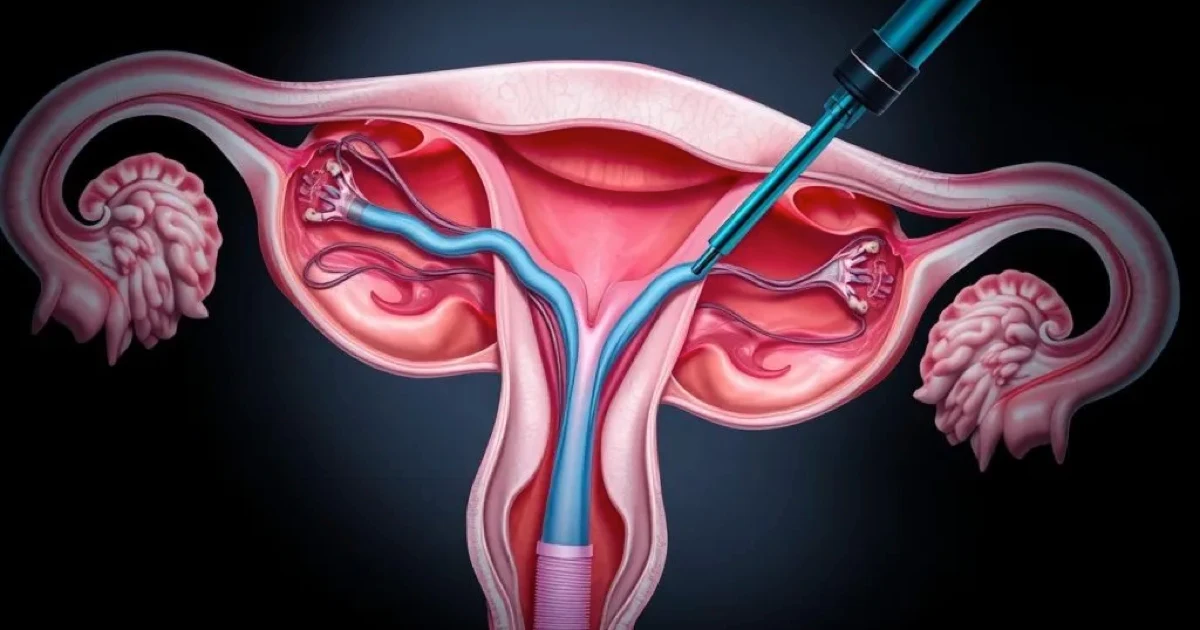
Hysterosalpingography, commonly abbreviated as HSG, is a special X-ray examination performed to evaluate the internal structure of the uterus and whether the fallopian tubes are open. It is also commonly known as a “contrast-enhanced uterine X-ray.”
During this procedure, a contrast agent is introduced into the uterus, and the uterus and tubes are evaluated using a special X-ray imaging method. Hysterosalpingography is especially used in women who have difficulty achieving pregnancy, in order to assess tubal patency and investigate whether there is a structural problem inside the uterus that may prevent pregnancy.
HSG may also be preferred to evaluate the causes of recurrent miscarriages related to certain uterine problems.
Why Is Hysterosalpingography Performed?
Hysterosalpingography is most commonly performed in women experiencing infertility, meaning difficulty achieving pregnancy. For a natural pregnancy to occur, the egg must be able to pass through the fallopian tubes, and the sperm must be able to reach the egg. If one or both tubes are blocked, the chance of pregnancy may decrease.
HSG can be used to evaluate the following:
- The shape and structure of the uterus
- Whether the fallopian tubes are open
- Whether there are adhesions inside the uterus
- Suspicion of intrauterine polyps or fibroids
- Whether there is blockage or damage in the tubes
- Scarring related to previous infections
- The condition of the tubes after tubal surgery
- Uterine-related causes in recurrent miscarriages
This examination may help plan the treatment process more accurately in women planning pregnancy.
In Which Situations Is HSG Recommended?
Your doctor may recommend hysterosalpingography depending on your examination findings, pregnancy history, and current complaints. Especially in cases where pregnancy cannot be achieved, whether the tubes are open is an important point of evaluation.
HSG may be requested in the following situations:
- If pregnancy has not been achieved for a long time
- If fallopian tube blockage is suspected
- If there is a history of previous pelvic infection
- If there is a history of tubal ligation or tubal surgery
- If the cause of infertility needs to be investigated
- If recurrent miscarriages have occurred
- If a uterine anomaly is suspected
- If adhesions, polyps, fibroids, or tumors inside the uterus are being investigated
This test does not show all causes of infertility on its own. However, it provides valuable information about the uterus and tubes.
How Is Hysterosalpingography Performed?
HSG is performed using a special X-ray device and contrast agent. During the procedure, a moving X-ray imaging method called fluoroscopy is used. This method allows the doctor to monitor the passage of the contrast agent through the uterus and fallopian tubes.
The procedure generally proceeds as follows:
The patient is prepared in the pelvic examination position. A speculum is placed into the vagina to make the cervix visible. Then, a water-soluble contrast agent is introduced into the uterus through a thin catheter.
The contrast agent fills the uterine cavity and fallopian tubes. X-ray images are taken during this process. If the tubes are open, the contrast agent passes through the tubes and spreads into the abdominal cavity. If there is a blockage in the tubes, this passage cannot be observed or appears limited.
The procedure is a short evaluation. Some women may experience cramping similar to menstrual pain.
What Should Be Considered Before Hysterosalpingography?
Before HSG, it is important to inform your doctor about your current health status. In particular, the possibility of pregnancy, history of infection, allergies, and medications used are taken into account when planning the procedure.
Before the procedure, you should definitely inform your doctor about the following:
- If you are pregnant or think you may be pregnant
- If you have recently had an infection
- If you have an active pelvic infection
- If you have an untreated sexually transmitted disease
- If you are allergic to iodinated contrast agents
- If you take any medications regularly
- If you have any known medical conditions
- If you have previously had a reaction to contrast material
HSG should not be performed if pregnancy is suspected or if there is an active pelvic infection. Therefore, accurate information before the procedure is very important.
How Should You Prepare for HSG?
Hysterosalpingography usually does not require special or lengthy preparation. However, some points should be considered to ensure that the procedure proceeds safely and comfortably.
Comfortable clothing should be preferred. During the procedure, you may need to wear a gown, similar to a pelvic examination. Leaving jewelry at home may be more practical.
If your doctor considers it necessary, they may recommend taking a pain reliever before the procedure. Since some patients may experience mild cramping during the procedure, this recommendation may increase comfort.
What Problems Can Hysterosalpingography Show?
HSG helps evaluate many structural problems related to the uterus and tubes. It provides particularly important information about tubal patency.
The main problems that can be evaluated with HSG include:
- Blockage in the fallopian tubes
- Tubal damage due to infection or scarring
- Intrauterine adhesions
- Uterine fibroids
- Endometrial polyps
- Congenital uterine anomalies
- Tumoral formations inside the uterus
- The condition of the tubes after tubal ligation
- Evaluation after tubal reopening surgery
For example, a previous pelvic infection may cause adhesions or blockage in the tubes. HSG may help visualize such conditions.
HSG and Evaluation of Tubal Blockage
Open fallopian tubes are an important factor for natural pregnancy. During HSG, it is visualized whether the contrast agent passes through the tubes.
If the contrast agent passes easily through the tubes, the tubes may be considered open. If passage is not observed, tubal blockage or significant narrowing of the tube may be suspected.
This information is important for treatment planning. Depending on the condition of the tubes, options such as intrauterine insemination, IVF, or surgery may be evaluated by the doctor.
Why Is HSG Used in Recurrent Miscarriages?
Some recurrent miscarriages may be related to the structure of the uterus. Adhesions, polyps, fibroids, or congenital uterine anomalies inside the uterus may affect implantation and continuation of pregnancy.
Since HSG shows the shape of the uterine cavity, it can be used to investigate these types of structural problems. However, in some cases, additional methods such as ultrasound, hysteroscopy, or different imaging techniques may also be required.
Is Hysterosalpingography a Painful Procedure?
During HSG, discomfort may be felt at varying levels from person to person. Some women feel the procedure as mild pressure, while others may experience cramping similar to menstrual pain.
The cramping sensation usually occurs when the contrast agent is introduced into the uterus and is mostly short-lived. Mild spotting or groin pain may occur after the procedure. If symptoms such as severe pain, fever, or foul-smelling discharge occur, a doctor should be consulted.
What Should Be Considered After HSG?
After the procedure, short-term mild cramping, spotting, or watery discharge may occur. This is often related to the contrast agent and the manipulation of the cervix during the procedure.
After HSG, the following points may be considered:
- Use the medications recommended by your doctor.
- Inform your doctor if bleeding is heavier than expected.
- Pay attention to fever, foul-smelling discharge, or severe pain.
- Follow your doctor’s advice regarding sexual intercourse for the recommended period after the procedure.
- Do not ignore complaints that may indicate infection.
Since each patient’s condition is different, post-procedure recommendations are given individually by the doctor.
What Should Be Known About Hysterosalpingography?
Hysterosalpingography is an important imaging method commonly used to evaluate the uterus and fallopian tubes. Especially in couples who have difficulty achieving pregnancy, it may help understand the cause of infertility.
This procedure provides information about the shape of the uterus, the openness of the tubes, and certain structural problems inside the uterus. However, the results must always be evaluated by a doctor. When HSG findings are considered together with ultrasound, hormone tests, sperm analysis, and other examination results, a more accurate treatment plan can be created.
Frequently Asked Questions
What is hysterosalpingography?
Hysterosalpingography is a contrast-enhanced X-ray examination performed to evaluate the internal structure of the uterus and whether the fallopian tubes are open.
Why is HSG performed?
It is most commonly performed to investigate the causes of inability to conceive, evaluate tubal patency, and detect structural problems inside the uterus.
Is HSG performed during pregnancy?
No. If you are pregnant or may be pregnant, HSG should not be performed. This must be reported to the doctor before the procedure.
Is HSG painful?
Some women may experience mild pressure or cramping similar to menstrual pain. This sensation is usually short-lived.
Does HSG show tubal blockage?
Yes. Whether the fallopian tubes are open can be evaluated by visualizing whether the contrast agent passes through the tubes.