
What Is Egg Freezing?
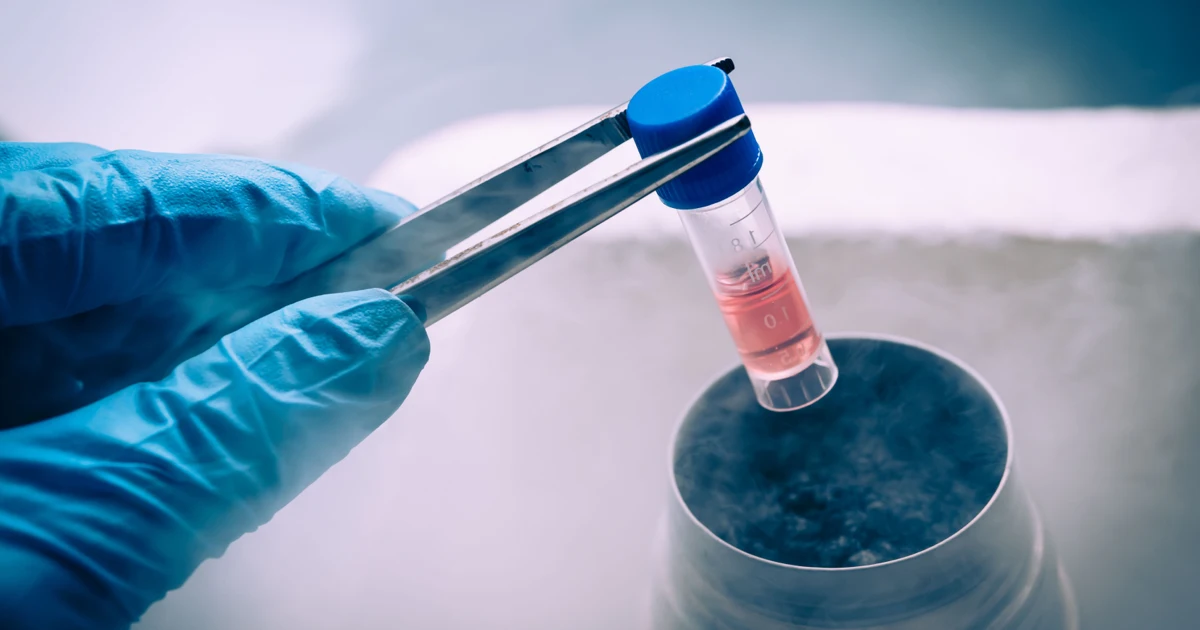
Egg freezing is one of the assisted reproductive methods used to help women preserve their fertility potential for later ages. In this procedure, eggs collected from the woman are frozen and stored under special laboratory conditions. This allows previously frozen eggs to be used in the future when pregnancy is planned.
Today, many women may postpone pregnancy to later ages due to career planning, social reasons, marriage timing, or medical necessities. However, as age advances, both the number and quality of eggs may decrease. For this reason, egg freezing has become an important option for women who wish to preserve their chance of pregnancy in the future.
For example, eggs frozen at the age of 30 can be stored for use in later years. When a woman plans pregnancy at the age of 40, she may have the opportunity to benefit from the quality of her eggs frozen at age 30. This may provide an important advantage, especially considering that egg quality decreases with age.
Why Is Egg Freezing Performed?
Egg freezing is not performed only for women who want to postpone the age of pregnancy. It is also an important fertility preservation method for women with reduced ovarian reserve, women at risk of early menopause, or women who will start treatments that may affect fertility, such as cancer treatment.
This method may help preserve a woman’s possibility of having a child in the future. Of course, egg freezing does not guarantee pregnancy; however, in the appropriate patient group, it may offer a valuable option for the coming years.
Who Can Freeze Their Eggs?
Egg freezing can be performed for women who are considered suitable after a doctor’s evaluation. During this process, age, ovarian reserve, hormone levels, ultrasound findings, and the person’s medical history are evaluated together.
Egg freezing may be suitable for:
- Women who are not currently considering pregnancy but plan to become mothers at a later age
- Women who want to postpone pregnancy due to career, education, or social reasons
- Women with low ovarian reserve
- Women with a family history of early menopause
- Women who carry a risk of early menopause due to genetic reasons
- Women who will receive chemotherapy or radiotherapy treatment due to cancer
- Women who are planning medical treatment or surgery that may affect ovarian capacity
Egg Freezing Before Cancer Treatment
Some cancer treatments, such as chemotherapy and radiotherapy, may negatively affect ovarian reserve. For this reason, egg freezing before treatment may be considered for fertility preservation.
Especially in women diagnosed with cancer at a young age who wish to have children in the future, it is important to consult a gynecologist and IVF specialist before starting treatment. With proper timing and individualized planning, eggs can be collected and frozen.
Egg Freezing in Low Ovarian Reserve
Ovarian reserve refers to the remaining egg capacity in a woman’s ovaries. In some women, ovarian reserve may be lower than expected regardless of age. This condition may reduce the chance of pregnancy in later years.
In women diagnosed with low ovarian reserve, egg freezing is one of the options that should be evaluated without delay. This is because egg number and quality may decrease further over time.
Egg Freezing in Women at Risk of Early Menopause
In women with a family history of early menopause, ovarian reserve may decline at an earlier age. Similarly, certain genetic factors may also increase the risk of early menopause.
For women in this group, egg freezing may be an important planning method to help preserve the possibility of becoming a mother in the future. Evaluations performed at an early age can help make healthier decisions.
Does Egg Freezing Guarantee Pregnancy?
Egg freezing is a method that may increase the chance of achieving pregnancy in the future; however, it does not provide a definite pregnancy guarantee. The chance of pregnancy may vary depending on the age at which the eggs were frozen, egg quality, the number of eggs collected, laboratory conditions, and the IVF process to be performed in the future.
For this reason, before deciding on egg freezing, a personalized evaluation should be performed and the process should be explained in all aspects.
How Should the Decision for Egg Freezing Be Made?
Egg freezing is a personal, medical, and timing-related decision. A woman’s age, ovarian reserve, pregnancy plan, family history, and any existing medical conditions should be evaluated together.
For women who want to preserve the possibility of becoming mothers in the future, receiving expert advice at an early stage is important. This is because one of the most valuable factors in egg freezing is time. A proper evaluation before age advances may help create a healthier fertility plan.
Frequently Asked Questions
Who is egg freezing performed for?
It may be performed for women who want to postpone pregnancy, have low ovarian reserve, carry a risk of early menopause, or wish to preserve fertility before cancer treatment.
What is the most suitable age for egg freezing?
The procedure is generally more advantageous at younger ages, when egg quality is better. However, the most appropriate timing should be determined through a personalized evaluation.
Can frozen eggs be used in the future?
Yes. Frozen eggs can be used in an IVF treatment process in later years.
Does egg freezing guarantee pregnancy?
No. Egg freezing may help preserve the chance of pregnancy, but it does not provide a definite pregnancy guarantee.
Can women with low ovarian reserve freeze their eggs?
Yes, but timing is important. Women diagnosed with low ovarian reserve are advised to receive specialist evaluation without delay.